Swollen Gums or Face: Could It Be a Dental Emergency?
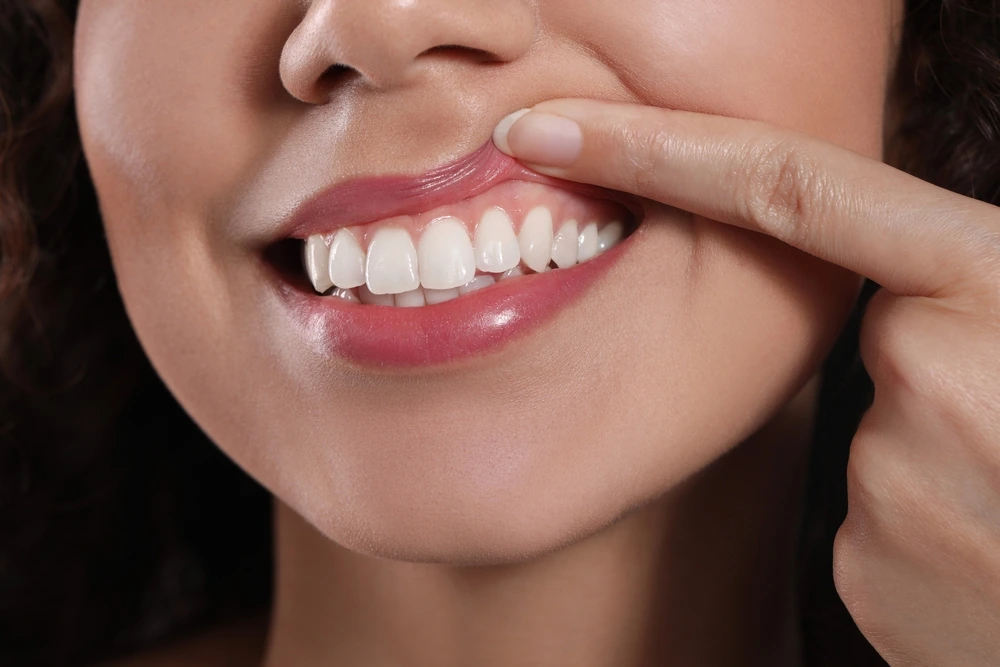
We have all woken up feeling a little puffy after a salty meal or a rough night's sleep. But catching a look in the bathroom mirror and seeing one side of your jaw blown up like a chipmunk is a completely different story. That kind of swelling immediately grabs your attention. You touch your cheek, feel the heat radiating off the skin, and feel that instant jolt of panic.
When your face or gums swell up out of nowhere, it is rarely just a passing annoyance. For folks searching around for emergency dentistry in Palmer, MA, figuring out what that swelling means can save you from a world of hurt. Let's dive into why this happens, how to tell if it's a true crisis, and what you should do next.
What Triggers Sudden Mouth and Face Swelling?
Our bodies have a pretty dramatic way of sounding the alarm, and that alarm is usually inflammation. When a cavity is left alone too long, or a cracked tooth invites bacteria deep inside, microscopic germs start setting up camp where they don't belong. Your immune system spots the invasion and sends a massive wave of white blood cells to fight them off. The resulting battlefield causes fluid buildup, throbbing, and visible puffiness.
At first, it might just feel like a tiny twinge when you drink cold water, or a little blood on your toothbrush. But once bacteria punch past your enamel and slide right down into the soft nerve pulp at the center of the tooth, things escalate fast. The infection burrows through the root tip and spills out into your jawbone and facial tissues. That is the exact moment a basic toothache morphs into a swollen face.
When Does Swelling Cross Into Emergency Territory?
Let's keep it real: nobody wants to rush to a clinic over minor gum irritation. But facial swelling is a whole different beast. It usually means an infection has spread beyond the tooth.
Keep a close eye out for these red-alert symptoms:
- Uneven Facial Structure: If one cheek or jawline looks noticeably puffier than the other, the infection may have spread beyond the tooth socket.
- Fever and Sweats: Running a fever or feeling chilled can mean your entire body is fighting an infection.
- Breathing or Swallowing Trouble: If the puffiness creeps down toward your throat or under your chin, it can start pressing on your airway. This is as serious as it gets.
- Relentless, Hammering Pain: Pain that refuses to back down with painkillers and keeps you pacing the floor all night can point to an abscess.
- A Pus Filled Bump on the Gums: Sometimes called a fistula, this tiny pimple-like dot may leak fluid. It means your body is trying to vent pressure, but it still needs professional help to fix the root cause.
Important Note: If facial swelling starts creeping up toward your eyes or down around your neck, or if you feel any tightness when you try to swallow, skip the waiting game and go straight to a hospital emergency room.
Practical Steps While You Wait for Help
If you are sitting tight waiting to head over to the dental office, you want to handle the situation carefully. Never squeeze, poke, or press on a swollen cheek or gum, because you can accidentally irritate the area and potentially worsen the problem.
Instead, try these comfort measures:
- Saltwater Rinses: Stir a half-spoon of salt into a glass of warm water and swish it around gently to clean the area and calm the gum line.
- Cold Packs: Press a cold pack or an ice bag wrapped in a towel against your cheek for about 15 minutes at a time to help bring the puffiness down.
- Prop Up Your Pillows: Lying flat on your back can make throbbing pain feel ten times louder. Prop yourself up.
- Use Over-the-Counter Meds Wisely: Standard pain relievers can take the edge off while you get ready to leave. Always stick strictly to the package guidelines.
What Happens When You Get Seen?
Walking into a clinic when you are swollen and miserable is no fun, but the primary mission is simple: locate the source, stop the pain, and address the infection.
Your dentist will check the area, talk through your symptoms, and usually take digital X-rays to see what is happening underneath your gums.
Depending on the diagnosis, your treatment might involve:
- Antibiotic Medication: If the infection is actively spreading or causing systemic symptoms, your dentist may prescribe antibiotics along with dental treatment.
- Incision and Drainage: For localized fluid pockets, a tiny release is made to drain trapped pus and relieve pressure.
- Root Canal Treatment: If the tooth structure is solid but the nerve is infected, a root canal cleans out the infection and lets you keep your natural tooth.
- Tooth Extraction: If a crack goes deep below the gumline or decay has severely damaged the tooth, a gentle extraction may be the safest option.
Keeping Future Swelling Away
While you can't predict every accident, a lot of severe dental abscesses start from small issues that got ignored for too long. Sticking to a steady routine protects you down the road.
- Keep Up With Checkups: Seeing your team regularly catches small cavities long before they turn into emergencies.
- Take Bleeding Gums Seriously: If your floss regularly comes back pink, address it early before it turns into full-blown periodontal trouble.
- Stick to Daily Habits: Brushing twice a day and flossing daily keeps the plaque buildup from ever getting out of hand.
Keeping Your Teeth Safe
If you are dealing with stubborn gum swelling, a puffy face, or mouth pain that won't quit, don't wait for it to magically vanish. Early care stops infections in their tracks and keeps you safe. Reach out to Palmer Dentistry & Implants today to book your evaluation and get back to your day.
Frequently Asked Questions
Q: Can gum swelling go away entirely without seeing a dentist?
A: Minor gum irritation from brushing a bit too aggressively might fade away, but swelling caused by an actual infection or a trapped abscess will not fix itself. Even if it shrinks temporarily, the bacteria are still hiding underneath.
Q: Why does a bad tooth make your whole face swell up?
A: When bacteria breach the inner nerve of a tooth, the infection eventually travels down past the root tip into the jawbone and surrounding soft tissues. Your immune system reacts heavily to this spread, resulting in facial puffiness.
Q: Can I just take antibiotics and skip the dental procedure?
A: No. Antibiotics may help control a spreading infection, but they cannot fix the underlying dental problem, like a dead nerve or deep decay. You still need a physical dental fix like a root canal or extraction.
Q: When does facial swelling turn into a true medical emergency?
A: Swelling becomes dangerous when it starts interfering with your ability to breathe or swallow, spreads toward your eyes or neck, or comes packaged with a high fever and confusion. That requires immediate hospital care.
Q: Can sinus trouble cause one side of my face to swell up?
A: Sinus issues frequently cause dull aches and pressure across your upper teeth, but they rarely create distinct facial swelling, localized gum lumps, or intense throbbing in a single tooth. Significant facial swelling should be evaluated by a dental professional.


Hours
Monday to Friday: 10 a.m.–7 p.m.
Saturday: 9 a.m.–3 p.m.
Sunday: Closed
Disclaimer: We’re open until 7 p.m. on Mondays and Wednesdays – with flexible scheduling to fit your needs.




© 2026 Unident Dental Group | All Rights Reserved | Privacy Policy | HIPAA Policy | Digital Marketing By Remedo