Severe Toothache: When It's an Emergency and What to Do
We’ve all been there, or at least heard the horror stories from a friend. You're sitting down to dinner, or maybe trying to drift off to sleep, when a dull, nagging throb in your jaw suddenly shifts gears into sharp, relentless agony. At first, you try brushing it off. You grab an extra-strength pain reliever, sip some lukewarm water, and figure it’ll blow over by dawn. But instead of fading, the ache digs in deeper, pulsing up toward your temple and making it nearly impossible to think about anything else.
When you're hurting like that, knowing what to do next isn't always obvious. For folks looking into emergency dentistry in Palmer, MA, figuring out whether your pain is a true emergency is the fastest way to get relief safely. Let's break down why these intense toothaches happen, how to spot the danger signs, and what you can actually do to cope right now.
Why Do Teeth Hurt So Badly in the First Place?
Teeth are deceptively tough. Enamel is technically the hardest substance in the human body. But underneath that hard shell sits dentin, and right at the core is the dental pulp, a tight cluster of living blood vessels and nerves. Once tooth decay, a hairline crack, gum recession, or a sudden injury breaks through that outer barrier, those sensitive nerves get completely exposed to bacteria, air, and pressure.
Usually, trouble starts small. You might feel a quick twinge when eating ice cream or drinking hot tea. Most people write these little warnings off. The trouble is that ignoring a minor, intermittent ache gives cavities or failing fillings time to turn into deep infections or abscesses. Once the nerve becomes heavily inflamed or starts dying off, the pain stops playing nice.
Is This a Real Dental Emergency?
Let's be honest: nobody wants to make a panicked call to a dental office over a minor twinge. But waiting too long can easily turn a simple fix into a major medical ordeal. How do you know when it’s time to stop waiting and make that emergency call?
Watch out for these classic red flags:
- Severe, Non-Stop Throbbing: If the pain wakes you up at night, pulses constantly, or completely ignores standard doses of ibuprofen, pay attention. That’s usually a sign of serious trouble.
- Swelling in Your Face or Gums: Notice any facial swelling or a tiny bump on the gum line that looks like a pimple? That’s often an abscess, a pocket of bacterial pus that needs professional drainage right away.
- Fever and Chills: When dental infections start spreading past your jaw, your whole body reacts. Running a fever, feeling unusually worn out, or tasting something foul in your mouth means an infection is taking over.
- Knocked-Out or Loose Teeth: Accidents happen, whether you took an elbow on the basketball court or slipped on the stairs. If a permanent tooth gets dislodged or knocked completely out, every minute counts.
- Non-Stop Bleeding: Bleeding from the gum line or an empty tooth socket that refuses to stop after 15 minutes of steady pressure needs a dentist's evaluation.
On the flip side, if you're dealing with a mild ache that only shows up when you bite down awkwardly on a specific side, or if you lost an old filling without any sharp pain, you can probably wait for normal business hours. Even so, don't drag your feet on booking an appointment.
Important Note: Dental infections generally require professional treatment and should not be ignored. If you suspect an abscess or have facial swelling with a fever, get professional help or head to an urgent care clinic immediately, because untreated oral infections can escalate quickly.
Smart Ways to Find Temporary Relief at Home
If you're stuck waiting for an office to open or trying to soothe your mouth in the middle of the night, you need practical first-aid steps. First rule of thumb: never stick an aspirin or pain pill directly against the gum next to the hurting tooth. It's an old wives' tale, and because aspirin is acidic, it will leave you with a painful chemical burn on top of your toothache.
Instead, try these safer, more effective tricks:
- Warm Salt Water Rinses: Stir half a teaspoon of salt into a glass of warm water and swish it gently. It helps clean the area, flushes out trapped food scraps, and calms minor gum irritation.
- Cold Packs: If your cheek is puffed out or bruised from an injury, press an ice pack wrapped in a washcloth against your face for 15 minutes on, 15 minutes off. It helps numb the nerve and keep swelling down.
- Prop Up Your Head: Lying completely flat increases blood pressure in your head, which usually makes throbbing pain feel much louder. Prop yourself up with a couple of extra pillows.
- Floss Very Carefully: Sometimes, a brutal ache is literally just a popcorn hull or piece of steak wedged tightly between your teeth, pushing on the gums. Gentle flossing might offer instant relief, but don't force it if it catches on a broken tooth edge.
- Over-the-Counter Meds: Standard anti-inflammatories like ibuprofen can take the edge off the swelling and pain while you figure out your next move. Always read the label instructions and make sure ibuprofen is safe for you to take.
What Happens When You Get to the Office?
Walking into a dental clinic when you're hurting is never fun, but knowing what to expect takes the edge off. The main objective during an emergency visit is simple: figure out where the pain is coming from and stop it.
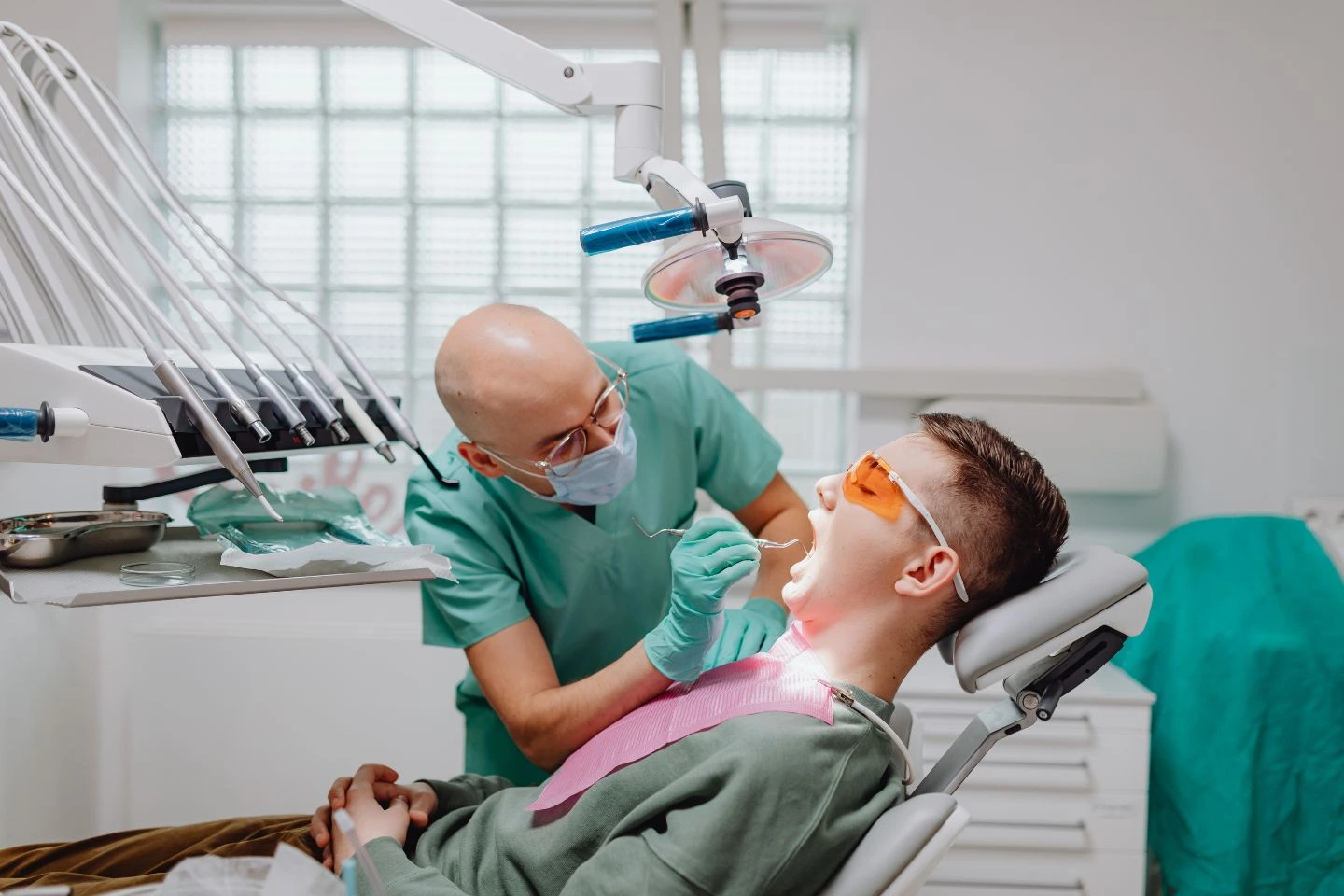
Your dentist will start by talking with you, asking when the pain started, what triggers it, and what it feels like. From there, they’ll examine the tooth, check your bite, and usually take digital X-rays to see what’s going on underneath the gumline, like hidden cracks or bone infections.
Once they track down the culprit, they'll walk you through your options. Depending on the diagnosis, that might involve:
- Prescription Medications: If the infection has spread or there are systemic symptoms, antibiotics may be prescribed along with definitive dental treatment.
- Root Canal Treatment: If the core nerve is infected or dying, a root canal cleans out the damaged tissue and seals the tooth so you can keep your natural smile.
- Crowns or Fillings: For cracked or heavily decayed teeth, patching up the exterior restores your bite and protects the sensitive layers underneath.
- Tooth Extraction: If a tooth is split below the gumline or completely unsalvageable, a gentle extraction might be the healthiest route forward.
Stopping Future Emergencies Before They Start
Of course, you can't schedule a hockey accident or a random fall. But a lot of midnight toothaches build up slowly over months of neglected maintenance. Regular preventive care remains your best defense against unexpected emergencies.
Keeping your teeth out of trouble comes down to a few steady habits:
- Keep Up with Checkups: Seeing your dentist as recommended catches small cavities and tiny cracks long before they have a chance to start throbbing.
- Wear a Mouthguard: If you play contact sports or recreational sports, a fitted athletic guard is cheap insurance for your smile.
- Break Bad Habits: Try to stop chewing on ice cubes, hard candies, or using your teeth as scissors to tear open packaging.
- Address Teeth Grinding: If you wake up with tight jaw muscles or dull headaches, you might be grinding your teeth in your sleep (bruxism), which wears down enamel fast. Ask your dentist about a custom nightguard.
Looking after your teeth isn't just about a nice photo-ready smile; it's about keeping your whole body feeling good. Oral health and overall health are closely tied together.
Let’s Care For Your Smile
If you're dealing with a stubborn toothache, sudden swelling, or mouth pain that won't quit, don't wait for it to get worse. Acting early protects your smile and saves you from tougher treatments down the road. Get in touch with Palmer Dentistry & Implants today to book an evaluation and get back to your day.
Frequently Asked Questions
Q: Can a severe toothache go away on its own?
A: Temporary irritation from minor gum soreness might fade, but a real toothache driven by decay, trauma, or infection will not heal itself. Even if the pain suddenly stops, which happens if the nerve inside the tooth completely dies, the underlying infection keeps spreading, usually turning into a nasty abscess later.
Q: What should I do if my tooth gets knocked out completely?
A: Speed is everything here. Pick up the tooth only by the top crown part, never by the root. If it's dirty, rinse it briefly with water without scrubbing. Try gently placing it back into its socket if possible. If you can't, drop it into a small cup of milk or saline and get to an emergency dentist as soon as possible for the best shot at saving the tooth.
Q: Are over-the-counter painkillers enough to cure a dental infection?
A: No. Pain relievers like ibuprofen or Tylenol are great for masking discomfort temporarily, but they don't do anything to clear the actual bacterial infection. You need professional dental care, like antibiotics, a filling, a root canal, or an extraction, to actually resolve the issue.
Q: How can I tell the difference between a sinus headache and a toothache?
A: Sinus pressure usually causes a dull, generalized ache across multiple upper teeth on both sides of your face, often paired with a stuffy nose or sinus tenderness. A true dental toothache typically zeroes in on one specific tooth, flares up badly when you bite down or drink something cold, and happens without any cold or allergy symptoms.
Q: What actually counts as a true dental emergency?
A: Situations involving heavy bleeding that won't stop, major facial swelling, signs of a spreading systemic infection (like fever or trouble swallowing), severe jaw trauma, and knocked-out permanent teeth are definitive emergencies requiring immediate medical attention.


Hours
Monday to Friday: 10 a.m.–7 p.m.
Saturday: 9 a.m.–3 p.m.
Sunday: Closed
Disclaimer: We’re open until 7 p.m. on Mondays and Wednesdays – with flexible scheduling to fit your needs.




© 2026 Unident Dental Group | All Rights Reserved | Privacy Policy | HIPAA Policy | Digital Marketing By Remedo