
Broken Tooth? Here's What to Do Until You Reach the Dentist
We’ve all had those moments where time seems to freeze. Maybe you bit into something unexpectedly hard at dinner, took an awkward spill during a weekend bike ride, or noticed a sharp edge on your back molar while brushing your teeth. Finding out you've chipped or broken a tooth is jarring. Your tongue instantly gravitates toward the spot, tracing the rough new shape, while your mind races with questions about what comes next.
When an unexpected dental mishap happens, staying calm and knowing your immediate options can protect your oral health and calm your nerves. For patients looking for reliable emergency dentistry in Palmer, MA, handling the first few hours correctly makes all the difference before you ever sit down in the dental chair. Let’s walk through what you should do immediately after cracking a tooth, how to manage any discomfort, and what professional treatments look like.
Figuring Out the Damage: Chipped, Cracked, or Broken?
Not all dental fractures are the same. Teeth take a beating every single day from chewing, grinding, and temperature swings, so it's no surprise they occasionally give way. Still, how bad the damage is dictates how fast you need professional help.
Here is a look at the common types of tooth damage you might run into:
- Minor Enamel Crazing or Tiny Chips: Surface hairline cracks or a tiny speck missing from the outer enamel layer usually don't hurt much. They might feel sharp against your tongue, but they rarely count as an urgent medical emergency.
- Cracked Teeth: A crack running vertically from the biting surface down toward the root can be sneaky. You might feel a sharp stab when you chew down, especially right as you open your mouth again and the pressure shifts.
- Broken Cusps: When the pointed biting corner of a tooth breaks off, it rarely reaches the inner pulp, but it leaves the tooth feeling weak.
- Split Teeth: If a crack gets ignored for too long, the tooth can literally split into two pieces. That usually takes specialized care to figure out if any part can be rescued.
- Severe Fractures: Deep breaks exposing the nerve chamber almost always bring intense pain, significant sensitivity to hot and cold drinks, and a high risk of infection.
Knowing these differences helps you figure out if you need an emergency slot right now or if you can safely book an appointment for the next morning.
Important Note: If a deep fracture exposes the nerve or pulp, sharp pain and extreme temperature sensitivity are common flags. Never brush those off, because a deep crack lets bacteria sneak straight into the inner roots of the tooth.
First-Aid Steps to Take Right Now
If you're stuck at home with a fresh break, take a deep breath. Managing the situation properly before you get to the clinic helps stop further injury or trouble.
Try these practical steps to protect your mouth:
- Rinse with Warm Water: Gently swish warm water around to clear away loose food bits, blood, or sharp fragments. It cleans the area and lets you see what's actually going on.
- Save the Pieces: If you managed to grab any broken chunks of the tooth, bring them along in a clean container or a little milk. Sometimes, dentists can bond a clean fragment back on.
- Use Cold Packs for Swelling: If the break came from a fall or an accidental elbow to the face, hold an ice pack wrapped in a washcloth against your cheek for 15 minutes at a time, with breaks between applications, to help keep swelling down.
- Cover Sharp Edges: If the jagged edge keeps cutting your tongue or cheek, you can temporarily cover it with a wad of sugar-free gum or dental wax until you get professional help.
- Take Over-the-Counter Pain Relievers: Mild aches can usually be managed with standard anti-inflammatory medications like ibuprofen, as long as you follow the package directions.
Do your best not to chew on that side of your mouth. Putting weight on a cracked tooth can easily cause the split to travel further down.
What Not to Do When You Break a Tooth
When you're stressed out, it's easy to fall back on old myths or bad advice that can make things worse. Keep these warnings in mind:
- Don't Put Aspirin on Your Gums: An old folk remedy suggests pressing an aspirin pill right against the sore gum next to the break. Because aspirin can irritate oral tissues, applying it directly to the gums can cause a chemical burn.
- Don't Ignore Minor Sensitivity: Even if a chip doesn't hurt today, leaving the inner layers exposed invites bacteria to settle in, turning a simple fix into a deep infection later.
- Don't Use Super Glue: It sounds wild, but people sometimes try gluing broken crowns or tooth pieces back together with household glue. Those adhesives are not safe for use in the mouth and can interfere with proper dental repair.
What Happens During Your Emergency Visit
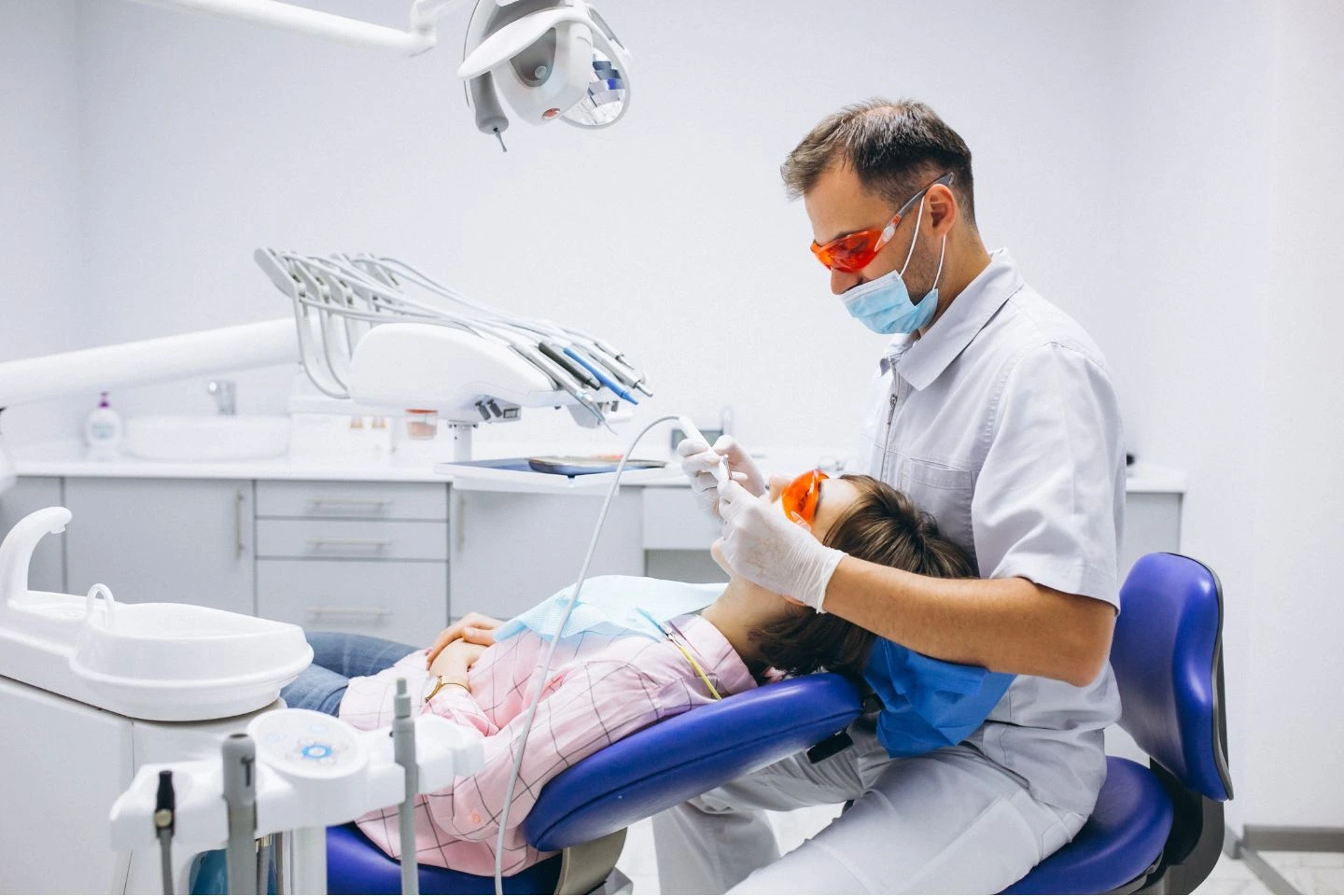
When you arrive at the clinic for emergency care, the main goal is to stabilize the area, stop the pain, and map out a fix. Your dentist will gently examine the tooth, check your bite, and may take digital X-rays to see how far the crack goes below the gumline.
Depending on how bad the break is, treatment options might include:
- Dental Bonding: For small chips, a tooth-colored composite resin can be sculpted and hardened with a curing light to make your smile look whole again.
- Custom Crowns: If a big chunk of the tooth is gone, a custom dental crown caps and protects what's left, restoring your normal chewing function.
- Root Canal Treatment: If the break reaches deep into the nerve chamber, a root canal clears out the damaged tissue before a crown goes on.
- Tooth Extraction: In rare cases where a fracture splits the root completely below the gumline, saving the tooth isn't possible anymore, making a gentle extraction the safest route.
Keeping Future Dental Accidents Away
While you can't schedule a stray sports ball or an accidental trip, a lot of tooth fractures happen from wear and tear over time. Taking a few easy steps can protect your smile down the road.
- Wear a Sports Mouthguard: If you or your kids play sports where facial contact or falls are possible, a fitted athletic guard can help protect your teeth.
- Break Hard Habits: Try to stop chewing on ice cubes, popcorn hulls, pen caps, or hard candies that can stress your enamel.
- Never Use Teeth as Tools: Resist the urge to use your teeth to tear open plastic packaging, cut tags off new clothes, or pop open bottles.
- Address Teeth Grinding: If you wake up with stiff jaws or dull headaches, you might be clenching or grinding in your sleep. Ask your dentist about a protective nightguard.
Schedule Your Dental Consultation
If you're dealing with a broken, chipped, or fractured tooth, don't wait for the pain to get worse or for an infection to take root. Getting professional care early can help preserve your natural smile and give you peace of mind. Reach out to Palmer Dentistry & Implants today to schedule an evaluation and get back to your day.
Frequently Asked Questions
Q: Can a chipped tooth heal itself over time?
A: No. Unlike bone, dental enamel doesn't have living cells and can't regenerate or fix itself once it's cracked or broken. You need professional dental care to restore the structure and keep the inner layers safe from decay.
Q: What should I do if my broken tooth is bleeding?
A: If the gum tissue around the break is bleeding, rinse gently with warm salt water and press a clean piece of gauze or a damp washcloth against it firmly for about 15 minutes. If the bleeding won't stop or feels heavy, call an emergency dentist right away.
Q: Is a cracked tooth always a major emergency?
A: Not every chip requires a midnight phone call. Small surface chips that don't hurt or have sharp edges can usually wait for normal office hours. However, deep fractures causing severe pain, bleeding, or extreme hot-and-cold sensitivity need immediate attention.
Q: How long can I wait before fixing a broken tooth?
A: You should book an evaluation as soon as you can. Even if the break seems minor and painless, exposed dentin leaves the tooth vulnerable to bacterial decay and further cracking that can make future fixes harder.
Q: Can a dentist save a tooth split all the way to the root?
A: It depends on where and how deep the split goes. Some vertical root fractures require extraction if the pieces can't be stabilized, while other cases may be treated with specialized endodontic therapy and a crown. Your dentist will take X-rays to figure out the best path forward.


Hours
Monday to Friday: 10 a.m.–7 p.m.
Saturday: 9 a.m.–3 p.m.
Sunday: Closed
Disclaimer: We’re open until 7 p.m. on Mondays and Wednesdays – with flexible scheduling to fit your needs.




© 2026 Unident Dental Group | All Rights Reserved | Privacy Policy | HIPAA Policy | Digital Marketing By Remedo