
Wisdom Teeth Removal: When to Take Them Out
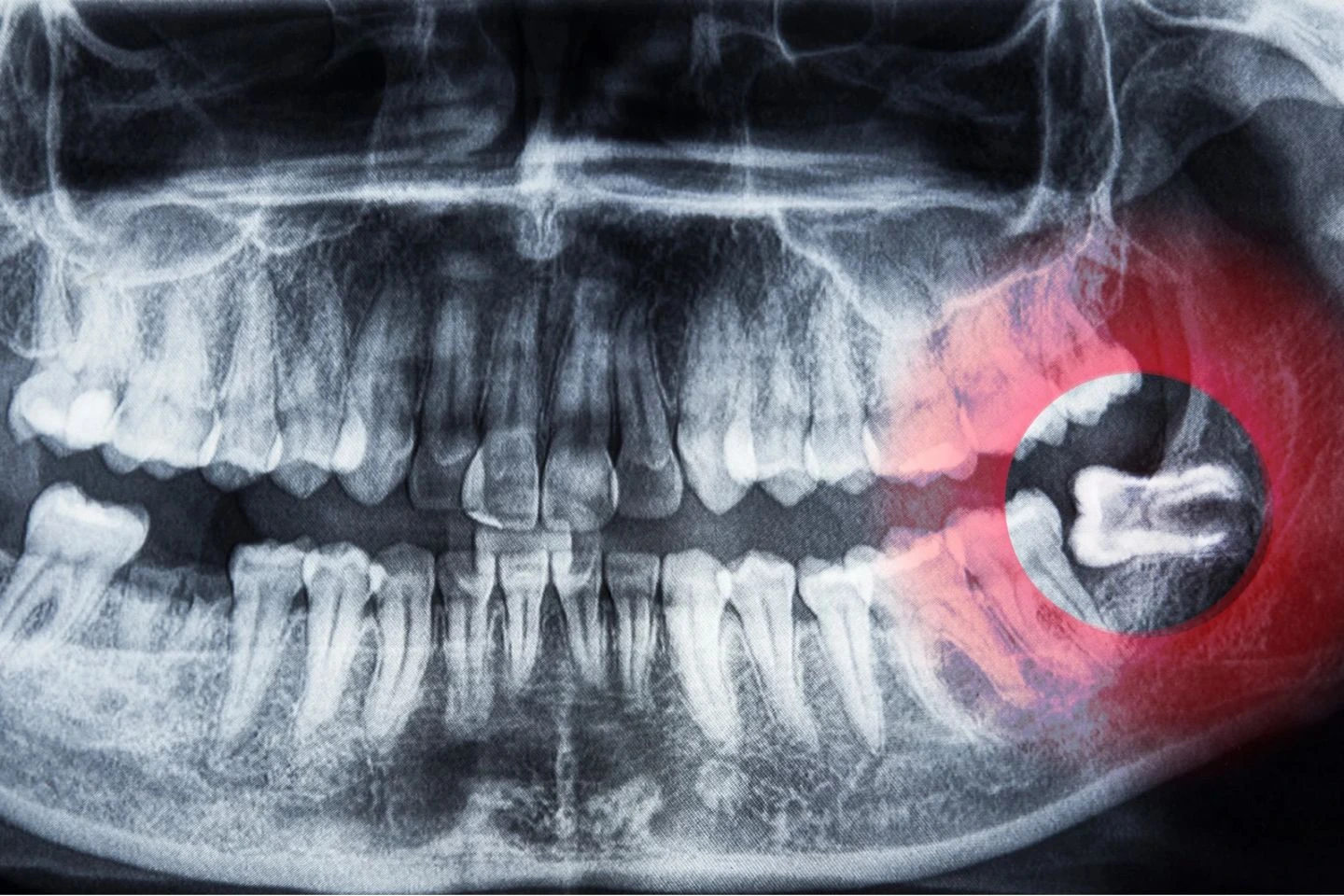
Reaching your late teens or early twenties brings plenty of milestones, but it also introduces a rather annoying rite of passage for a lot of people. Somewhere tucked far back in your mouth, your final set of molars decides it is time to push through the gums. Wisdom teeth, known by dentists as third molars, were once quite handy for human ancestors who chewed on raw plants, tough roots, and coarse meats. Fast forward to modern times, and human diets have shifted quite a bit while our jaws have gradually evolved to be a bit smaller.
Because physical space in the back of the mouth is often at a strict premium, wisdom teeth frequently run into roadblocks. They might try to erupt at awkward sideways angles, bump hard against neighboring teeth, or get stuck halfway beneath the gum line. Dealing with sudden crowding, shifting bite alignment, or persistent jaw aches can make daily life quite frustrating. When these late arriving molars start causing friction, scheduling a professional evaluation is usually the smartest way to figure out if wisdom teeth removal makes sense for your situation.
Why Wisdom Teeth Frequently Cause Trouble
Unlike your other teeth that typically erupt smoothly during childhood, wisdom teeth show up much later when your jawbone is already fully dense and crowded. This unfortunate timing sets the stage for several common complications:
Impacted wisdom teeth happen when there is simply not enough physical room in the jaw. They can become trapped completely beneath the gums or bone, staying hidden or only managing to break halfway through the surface.
Crowding and shifting follow closely behind. As those trapped wisdom teeth try desperately to push upward, they exert immense pressure on your second molars. This creeping force can slowly shove your front teeth out of alignment, sometimes undoing years of past orthodontic work.
Hard to clean pockets form easily around partially erupted wisdom teeth. They leave tiny flaps of soft tissue where food debris and bacteria love to hide. Because that zone sits so far back in your mouth, reaching it properly with a standard toothbrush or string floss becomes nearly impossible.
Cysts and tissue damage can occasionally develop. In certain situations, an impacted tooth forms a fluid filled sac around the roots, which can gradually wear down adjacent bone structure if left unmonitored.
Common Signs It Might Be Time for Removal
You do not always have to wait for a severe midnight toothache to realize your wisdom teeth need attention. Paying close attention to subtle shifts in your mouth helps catch trouble early. Common warning signs include:
- Persistent dull aches or a heavy throbbing pressure right at the back of your jaw.
- Tender, swollen, or easily bleeding gum tissue sitting directly behind your second molars.
- Unpleasant breath or a lingering bad taste that refuses to clear up after brushing.
- Difficulty opening your mouth wide or mild soreness while chewing your meals.
- Visible crowding or overlapping developing rapidly in your lower front teeth.
If you spot any of these indicators, your dentist can take specialized dental X-rays to check the exact angle and root structure hiding beneath your gums.
What to Expect During the Extraction Process
Thinking about getting oral surgery can make anyone feel a bit jittery. Understanding how the procedure actually flows helps take the mystery and anxiety out of your upcoming visit.
Your appointment begins with a thorough clinical examination and imaging review. Your dentist or oral surgeon discusses the most comfortable sedation or anesthesia options for you, ranging from simple local numbing agents to deeper sedation methods that let you rest peacefully through the steps.
Once you are completely relaxed, the actual extraction gets underway. If a wisdom tooth has broken fully through the gum, it can often be lifted out smoothly much like any standard tooth. If the tooth remains impacted or wedged beneath the bone, your surgeon creates a small opening in the gum tissue to gain clear access, sometimes sectioning the tooth into smaller parts to keep the process gentle and safe.
Stitches may be placed to help the gum tissue close smoothly over the sockets. You then spend a brief moment resting in recovery while a protective blood clot forms naturally, and your care team hands you clear, straightforward instructions for home management.
Smooth Recovery and Aftercare Tips
How you treat your mouth during the initial days following an extraction plays a massive role in how comfortably you heal. Simple daily habits make all the difference:
- Protect the blood clot at all costs. Never sip liquids through a straw, spit forcefully, or smoke during the first seventy-two hours. The sudden suction or movement can dislodge the fragile clot, leading to a very uncomfortable condition known as a dry socket.
- Manage swelling by holding a cold ice pack against your cheek in twenty minute intervals on day one to keep facial inflammation down.
- Stick to soft, nourishing foods for the first few days. Think yogurt, lukewarm broths, mashed potatoes, and protein rich smoothies. Gradually work your way back to solid foods only as your comfort allows.
- Keep the surgical area clean without being overly aggressive. Avoid brushing directly over the sockets initially. After twenty four hours, gentle warm salt water rinses help wash away stray debris without disturbing the healing tissue underneath.
Taking care of problematic wisdom teeth protects your long term oral health and spares you from sudden discomfort down the road. When you are looking for a trusted dental team in Palmer, MA, you deserve an experienced practice that prioritizes your comfort and explains every step clearly. At Palmer Dentistry & Implants, our dedicated staff is always here to evaluate your wisdom teeth and help you maintain a healthy, balanced smile. Contact Palmer Dentistry & Implants today to schedule your consultation and discuss your options.
Frequently Asked Questions
Q: Is wisdom teeth removal always necessary for everyone?
A: Not everyone needs to have their wisdom teeth pulled. If your third molars erupt completely straight, fit comfortably in your jaw, and remain easy to clean during your daily routine, your dentist may simply choose to monitor them during routine checkups.
Q: At what age should wisdom teeth usually be evaluated?
A: Most dental professionals recommend checking wisdom teeth during the mid teens or early twenties. Taking X-rays during this developmental window helps predict potential crowding before painful symptoms flare up.
Q: How long does the typical recovery process take after an extraction?
A: Initial surface healing usually takes about a week, during which most minor soreness and facial swelling fade away. Deeper bone remodeling inside the empty sockets takes a bit longer to complete quietly behind the scenes.
Q: Will I be awake during the wisdom teeth procedure?
A: That depends largely on your personal comfort level and the complexity of the extractions. Local numbing keeps you completely pain free while you remain awake, whereas various sedation choices can allow you to sleep right through the appointment.
Q: What is a dry socket, and how can I prevent it?
A: A dry socket happens if the protective blood clot inside an extraction socket dislodges too early, exposing sensitive underlying bone. You can easily prevent it by avoiding straws, spitting, smoking, and harsh rinsing during the first few days of recovery.


Hours
Monday to Friday: 10 a.m.–7 p.m.
Saturday: 9 a.m.–3 p.m.
Sunday: Closed
Disclaimer: We’re open until 7 p.m. on Mondays and Wednesdays – with flexible scheduling to fit your needs.


© 2026 Unident Dental Group | All Rights Reserved | Privacy Policy | HIPAA Policy | Digital Marketing By Remedo