
7 Warning Signs of Oral Cancer You Should Never Ignore
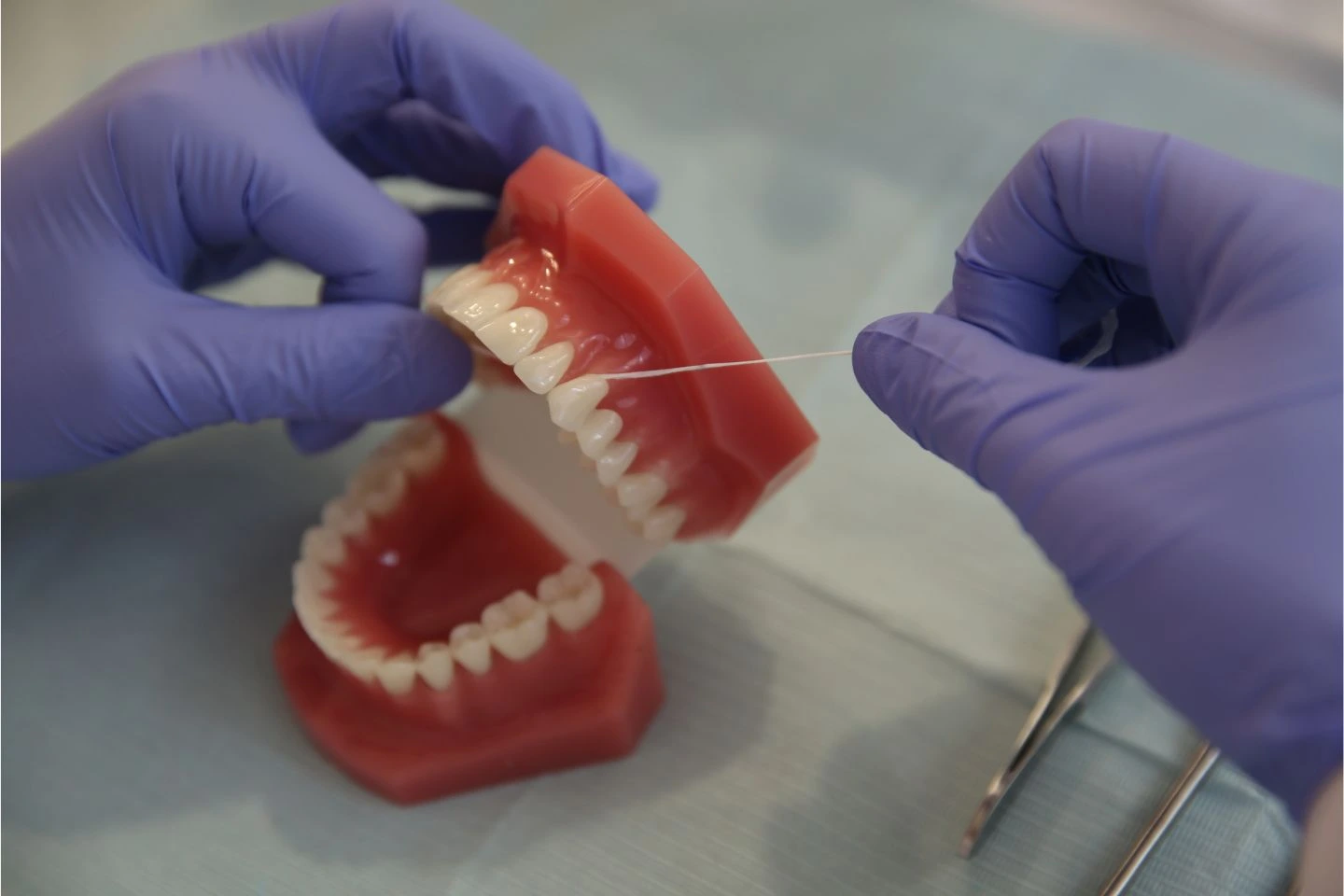
When you head in for your routine dental checkup, you are probably bracing yourself for the usual conversation. You know how it goes: a quick chat about your flossing habits, a check for hidden cavities, and a thorough polish to leave your teeth feeling fresh. Most of us walk into the clinic thinking entirely about our teeth and gums.
Yet, tucked right into that standard visit is one of the most powerful, lifesaving evaluations your dental team performs: the oral cancer screening.
Catching oral abnormalities in their earliest, most treatable stages changes everything. While your dental team checks for these changes during your regular visits, staying in tune with your own body between appointments matters just as much. Let’s take a look at 7 warning signs of oral cancer that you should never brush off, and why staying proactive is so vital for your health here in Palmer, MA.
Sores That Just Won't Heal
We have all dealt with the occasional annoying canker sore or a minor injury from a sharp piece of tortilla chip. Those typical irritations are frustrating, but they usually start shrinking and disappear within a week or two.
The red flag to watch out for is a sore on your lips, gums, or inside lining that bleeds easily and refuses to heal after more than two weeks. If a spot hangs around stubbornly without any clear explanation, it deserves a professional look.
Unexplained Lumps and Thickened Tissue
Your mouth is lined with smooth, resilient tissue. If you run your tongue along your gums, inner cheeks, or the roof of your mouth, everything should feel relatively uniform.
When you notice a new thickening, a firm hard spot, a raised bump, or a small rough patch that wasn't there before, take note. Any unexplained mass or subtle change in your tissue texture is worth mentioning to your dental provider during your next checkup at Palmer Dentistry & Implants.
Unusual Color Shifts (Red or White Patches)
Healthy oral tissue typically has a consistent, pinkish tone. Sometimes, though, cellular changes cause striking shifts in color.
You might notice velvety white patches (known as leukoplakia), bright red patches (erythroplakia), or a speckled mix of both. While these changes are not an instant diagnosis of cancer, they are often considered precancerous warnings. Spotting them early gives you a massive advantage in managing your health.
Persistent Numbness, Tingling, or Pain
Have you ever bitten your cheek or burned your tongue on hot coffee? If so, you know that temporary pain or soreness happens.
However, sudden, unexplained numbness, a total loss of feeling, or a persistent dull ache anywhere in your mouth, face, or neck is a different story. When nerve sensations change for no obvious reason and refuse to go away, it is time to get answers from a medical professional.
Trouble Chewing, Swallowing, or Moving Your Jaw
Eating a meal should be an effortless, comfortable experience. If you suddenly find yourself struggling with basic mechanical functions, pay attention.
A persistent feeling that something is stuck in your throat, or running into strange difficulties when you try to chew, swallow, speak, or move your jaw and tongue fluidly, can point to deeper structural issues. If swallowing feels like a chore or your jaw feels unusually stiff for weeks, don't just wait it out.
A Nagging Hoarseness or Sore Throat
We all deal with scratchy throats when a cold or seasonal allergy flares up. Those symptoms usually fade as your immune system fights off the bug.
If you notice a nagging hoarseness, a voice change, or a sore throat that lingers for weeks without any sign of a cold, flu, or allergies, it shouldn't be ignored. Cancers developing further back in the throat or base of the tongue often present with these subtle, persistent voice shifts.
Chronic, Unexplained Bleeding
Healthy gums and oral tissues do not bleed spontaneously for no reason. While bleeding when you brush too hard can happen, chronic bleeding in the oral cavity without a clear cause is a warning sign. If you notice minor bleeding whenever you touch certain areas of your mouth, or if you taste blood frequently throughout the day, it is time to schedule an evaluation.
Why Routine Screenings Are Your Best Defense
The tricky part about oral cancer is its stealthy nature. In its earliest phases, it can easily hide behind symptoms that look identical to a harmless mouth irritation or ordinary fatigue. Because it sneaks up quietly, it is far too often caught in later stages after it has already had room to progress.
That is precisely why regular visits to Palmer Dentistry & Implants matter so much. Your dentist gets a clear look at hidden corners of your mouth, tongue base, and throat that you simply cannot view on your own in a bathroom mirror.
An oral cancer screening is entirely noninvasive, completely painless, and takes just a couple of minutes. Your provider simply conducts a quick visual look around of your face, neck, and inner mouth tissues, followed by a gentle physical check under your jawline and neck to feel for any hidden nodules or tenderness.
Your Path To Better Health Begins Here
True preventive dental care is about so much more than just maintaining a bright, clean smile. It serves as an essential window into your whole body wellness. Setting aside time for routine checkups gives your care team the opportunity to spot hidden issues long before they escalate into major medical battles.
If it has been a while since your last cleaning, or if you've noticed any of these warning signs lingering for more than two weeks, there's no reason to wait it out. Reach out to the team at Palmer Dentistry & Implants to schedule your next checkup and comprehensive oral cancer screening in Palmer, MA.
Frequently Asked Questions
Q: Does an oral cancer screening hurt?
A: Not at all. The entire process is completely noninvasive and painless. It involves a straightforward visual look and a gentle physical check of your neck, jaw, and mouth tissues by your dentist.
Q: How often should I get screened for oral cancer?
A: For most adults, an oral cancer screening is performed automatically during every routine dental checkup, which are generally scheduled twice a year.
Q: What happens if my dentist finds an abnormal spot?
A: Discovering an unusual spot does not mean you have cancer. Most spots turn out to be harmless minor injuries, tissue irritation, or regular canker sores. If something looks out of the ordinary, your dentist will typically monitor it closely or recommend a simple referral for further evaluation to ensure your complete safety.


Hours
Monday to Friday: 10 a.m.–7 p.m.
Saturday: 9 a.m.–3 p.m.
Sunday: Closed
Disclaimer: We’re open until 7 p.m. on Mondays and Wednesdays – with flexible scheduling to fit your needs.




© 2026 Unident Dental Group | All Rights Reserved | Privacy Policy | HIPAA Policy | Digital Marketing By Remedo