
Signs You Need a Deep Dental Cleaning: Don’t Ignore These Gum Disease Symptoms
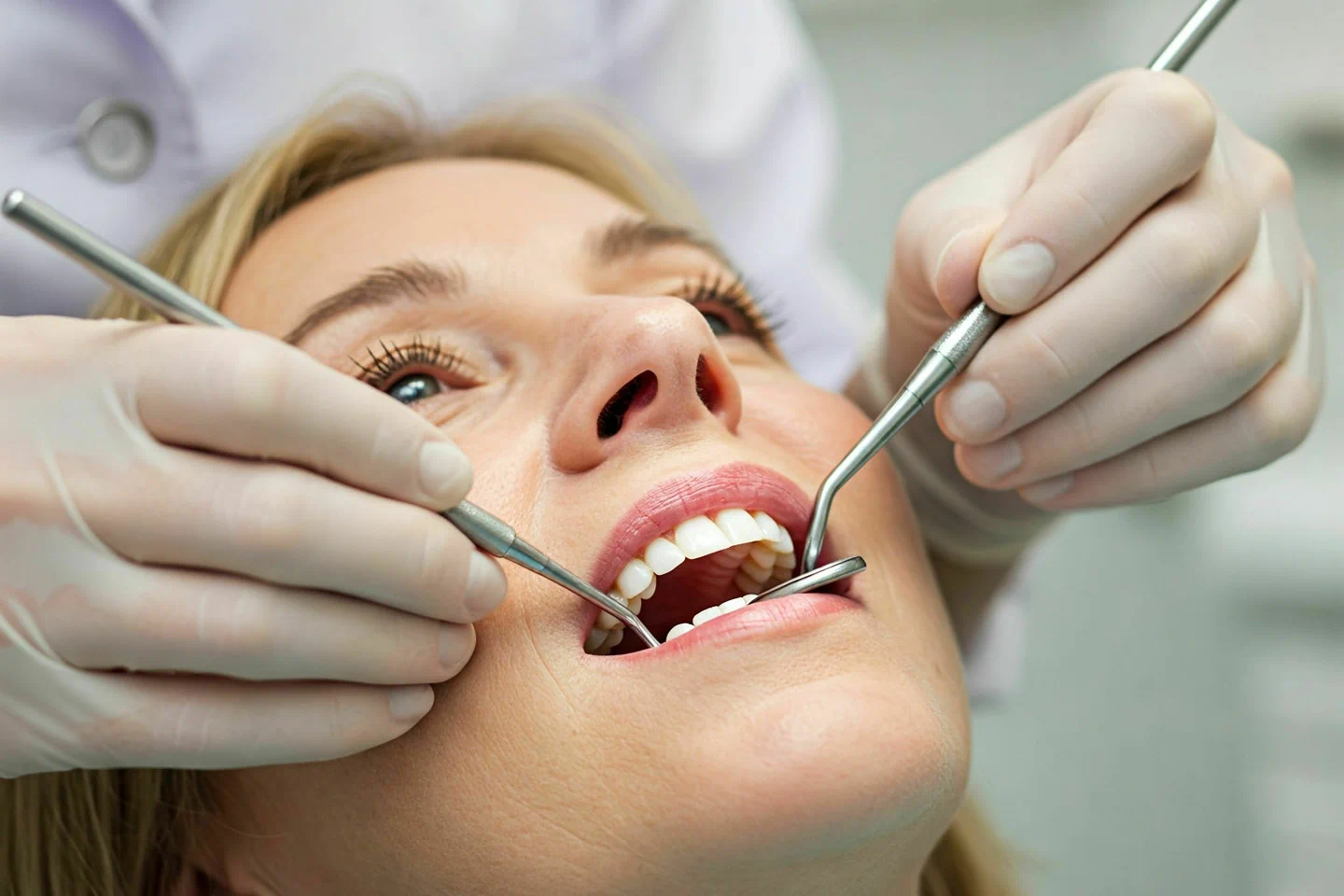
Do you ever notice a little bit of pink in the sink when you brush or floss? It is easy to brush it off as nothing, thinking you might have just gone a bit too hard with your toothbrush. Most people assume that a little blood now and then is just part of the process, but those small shifts in your oral health are often the first whispers of a bigger issue, like gum disease.
Keeping your mouth healthy involves way more than just keeping your teeth white. Your gums are the foundation for your whole smile. When bacteria build up along and below the gumline, your normal daily routine just is not enough to clear it away. That is when a treatment called a deep dental cleaning becomes important. Getting to know the signs that your mouth needs this extra level of care can help you fix problems before they turn into something much harder to deal with.
What is a Deep Dental Cleaning
To figure out if you need one, it helps to know what a deep cleaning actually is. In the dental office, this is often called scaling and root planing. It is quite a bit different from the standard cleaning you get at a regular checkup.
A regular cleaning usually sticks to the surfaces of your teeth above the gumline, clearing away the day to day plaque and tartar. A deep cleaning goes much further. The process involves cleaning both the surface of the tooth and the root structures hidden beneath the gumline.
During the scaling part of the visit, the team uses tools to reach deep into the pockets that might have formed between your teeth and gums. Then, they move on to root planing. This part smooths out the roots of your teeth. By making the roots smooth, it becomes much tougher for bacteria to stick there in the future, giving your gums a clean, healthy space to attach back onto.
Signs You Might Need a Deep Cleaning
Gum disease is sneaky. It often gets called a silent condition because it does not always cause big, obvious pain in the beginning. Paying close attention to the small changes in your mouth is the best way to catch it early. Here are the most common signs that it is time to talk to a pro about a deep cleaning.
Constant Bad Breath
Everyone deals with bad breath after a garlicky meal or in the morning. However, if you find that you have a bad taste in your mouth or breath that just will not quit, no matter how much you brush or use mouthwash, bacteria might be the reason. When bacteria hang out in deep pockets beneath your gums, they release odors that do not go away.
Gums That Bleed
Healthy gums are tough. They should not bleed when you brush or floss normally. If you notice blood every time you clean your teeth, your gums are likely inflamed. This swelling is your body trying to deal with plaque, and it is one of the classic signs of early gum disease.
Red or Swollen Gums
Take a look in the mirror. Healthy gums should be firm and a nice pale pink. If your gums look bright red, puffy, or feel tender when you eat, they are fighting an infection. The swelling is your body trying to protect itself, but that buildup needs to be physically removed to break the cycle.
Gums Pulling Away
As gum disease moves forward, the tissue can start to pull away from your teeth. This makes your teeth look longer than they used to. Even more importantly, this creates little gaps or pockets where food and bacteria can hide, making it impossible to clean them with just a toothbrush.
Loose or Shifting Teeth
In later stages, the infection can start to mess with the bone structure that holds your teeth in place. If you notice your teeth feel a bit loose, or if your bite feels different when you chew, it means the support system is having a hard time. You should reach out for help quickly if you notice this.
Deep Pockets
When you go in for an exam, the team might use a tool to measure the space between your teeth and gums. In a healthy mouth, these gaps are usually tiny, about one to three millimeters. If they start reaching four millimeters or more, it usually means the gums have detached, and a deep cleaning is a smart way to get things back on track.
Why Deep Cleaning Matters
Ignoring these signs does not make them go away. When plaque stays on your teeth too long, it turns into hard tartar that only professional tools can remove.
If that bacterial buildup stays under your gumline, it can eventually lead to periodontitis. This is a big reason why many adults lose teeth. By getting a deep cleaning when you first see these signs, you are taking a smart step to stop the infection, protect your jawbone, and keep your smile healthy for a long time.
Local Care in Palmer, MA
Every smile is different. If you live in or around the area, finding local, focused care is a great way to look after your health. A deep dental cleaning in Palmer, MA is meant to look at the exact state of your oral health, building a plan to clear out that deep buildup and help you feel better every day.
At Palmer Dentistry and Implants, the goal is to provide a place where your concerns are heard and handled with care. Managing your gum health is a team effort, and getting a clear look at what is happening below the surface is the first step toward a healthier mouth.
What Happens After Deep Cleaning
It is very normal to feel a little sensitivity or tenderness in your gums for a few days after a deep cleaning. Since the work happens beneath the gumline, your tissue just needs a little time to heal and get used to the clean roots.
Many people find that sticking to soft foods for a couple of days and avoiding drinks that are too hot or cold helps. Just keep up with your gentle brushing and flossing routine. The team will give you all the tips you need to make sure your healing goes well.
Frequently Asked Questions
Q: Is a deep dental cleaning painful?
A: Everyone is different, but the team will do what they can to keep you comfortable. Because the work is deep, they often use local numbing to make sure you do not feel pain while they work.
Q: How long does the visit take?
A: Because it is a thorough cleaning, it takes longer than a normal checkup. Often, it is split into two visits, doing one side of the mouth at a time, to make it easier for you.
Q: How often do I need a deep cleaning?
A: This is not a standard service like a normal six-month cleaning. It is a treatment for active gum disease. Once your gums are back to a healthy state, your provider will help you set up a plan to keep them that way.
Q: Can gum disease be reversed?
A: If it is in the early stages, like gingivitis, it can often be fully reversed with professional care and great home hygiene. Later stages cannot be fully reversed, but a deep cleaning is the best way to stop the infection from causing more trouble.
Q: What happens if I skip a deep cleaning?
A: If you skip it, the bacteria keep growing under your gums. Over time, that infection can destroy the bone and tissue that hold your teeth, which can lead to loose teeth or even tooth loss.


Hours
Monday to Friday: 10 a.m.–7 p.m.
Saturday: 9 a.m.–3 p.m.
Sunday: Closed
Disclaimer: We’re open until 7 p.m. on Mondays and Wednesdays – with flexible scheduling to fit your needs.




© 2026 Unident Dental Group | All Rights Reserved | Privacy Policy | HIPAA Policy | Digital Marketing By Remedo