
Root Canal Treatment: Procedure, Benefits, and What to Expect Step-by-Step
Hearing that you need dental work can make anyone feel a bit nervous. It is completely normal to have questions about what comes next. Over the years, old stories and movies have given certain dental visits a bad reputation. Thankfully, modern dental care has completely transformed things. Getting a root canal treatment in Palmer, MA is now a routine, well-established way to resolve dental discomfort and get back to your day.
The main focus of this care is straightforward: saving your original tooth. Keeping your natural teeth intact means you can continue eating, talking, and smiling with total confidence. Let us break down how this helpful procedure works, the real-world benefits it brings, and what you can expect during your visit at Palmer Dentistry & Implants.
What Causes Damage Inside A Tooth?
To see why this care matters, think about a tooth as having layers.
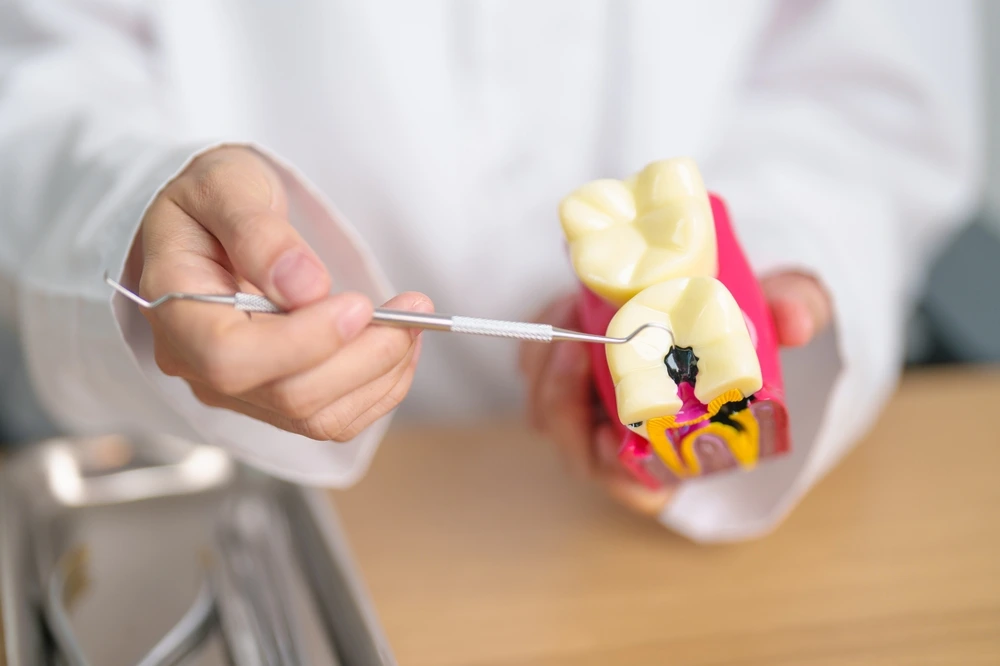
The outer shell is the white enamel, which is incredibly tough. Beneath that sits a slightly softer layer called dentin. Deep at the very center is a small chamber holding the pulp. This pulp consists of nerves and tiny blood vessels that help build the tooth while you grow up. However, once a tooth is mature, it can live perfectly well without the pulp because the surrounding tissues provide all the support it needs.
If a deep cavity, an unnoticed crack, or an injury cracks open that protective outer wall, bacteria can make their way into the center chamber. This often creates irritation and localized pressure, which explains why a tooth might ache when you sip a cold drink or bite down on lunch. A root canal treatment in Palmer, MA clears out that irritated inner tissue, cleans the tiny pathways inside the root, and seals everything tight to help reduce the risk of future problems.
The Benefits of Saving Your Original Tooth
When a tooth is causing trouble, it might feel tempting to just have it pulled and move on. But keeping your real tooth in place offers significant benefits for your long-term health and daily life.
Keeps Your Natural Bite
In many cases, natural teeth can feel and function more naturally than artificial replacements.
Stops Other Teeth From Shifting
When a tooth is removed, the gaps leave room for neighboring teeth to slowly lean or drift out of alignment. This can change your bite and make brushing harder.
Saves Time Down the Road
Pulling a tooth might seem faster initially, but replacing it later with a bridge or dental implant requires multiple appointments, more complex healing, and higher overall costs.
Protects Your Visual Smile
Nothing looks quite as seamless as your own natural smile, helping you stay comfortable and confident when talking with friends or family.
Your Step-by-Step Guide to the Appointment
Knowing the actual steps can take away the mystery and help you feel much more relaxed before you sit in the chair. Here is how a standard root canal treatment in Palmer, MA moves along.
Step 1: Imaging and Initial Exam
Your care team starts by taking detailed digital images of your mouth. This lets them look directly at the shape of the root pathways and check the health of the bone around the tooth, giving them a clear roadmap for the session.
Step 2: Thoroughly Numbing the Area
Ensuring you are comfortable is always a priority. The dental team uses local numbing medicine around the specific tooth. This process works so well that the actual treatment generally feels no different than getting a basic cavity filled.
Step 3: Gentle Cleaning
Once everything is fully numb, a tiny protective sheet keeps the tooth clean and dry. A small opening is made in the top part of the tooth. Using highly precise, flexible tools, the dentist removes the troubled pulp from those inner canals.
Step 4: Disinfecting the Canals
After removing the tissue, the internal spaces are carefully shaped and rinsed clean with an antibacterial solution. This washes away any remaining debris and helps ensure the inside of the tooth is thoroughly cleaned and disinfected.
Step 5: Sealing the Tooth
Next, the empty canals are filled with a rubbery, natural compound called gutta-percha. A special adhesive cement locks it in place to help block out future bacteria. Usually, a temporary filling closes up the top opening to keep things protected until your next visit.
Step 6: The Final Strengthening Step
A tooth without its inner pulp can become a little more brittle over time because it no longer has an internal blood supply. To restore its full strength, you will return a short time later to have a custom-made crown or a sturdy permanent filling placed over it.
Simple Recovery and Post-Care Tips
After the numbing wears off, you might notice some mild, dull soreness or tenderness in your jaw for a few days. This is just a natural sign that your body is resting and healing around the treated area.
Most people manage this temporary tenderness easily using standard over-the-counter options like ibuprofen or acetaminophen. To protect the area while everything settles, try to do your heavy chewing on the other side of your mouth and skip particularly hard or sticky snacks until your permanent crown is completely finished. Keeping up with regular brushing and flossing keeps the whole area healthy and supports a smooth recovery.
Schedule a Consultation for Root Canal Treatment in Palmer, MA
If you notice ongoing sensitivity to hot or cold foods, a dull ache when chewing, or tender gums, checking in with a professional early can make a significant difference. Getting an expert opinion helps clarify your choices and may prevent minor issues from becoming more complex. Reach out to Palmer Dentistry & Implants to learn how a root canal treatment in Palmer, MA may help protect your natural smile and restore everyday comfort.
Frequently Asked Questions
Q: Is a root canal treatment painful?
A: The procedure is designed to address discomfort, not cause it. Thanks to modern local numbing methods, the area is thoroughly numbed during the visit, and many patients report an experience similar to receiving a routine filling.
Q: How much time does the appointment take?
A: Depending on which tooth needs attention and how many inner canals it has, the visit usually takes between 60 and 90 minutes. Sometimes the process is divided into two shorter visits to help ensure the area is thoroughly treated.
Q: Can I go back to work or school right after?
A: Yes, the vast majority of individuals drive themselves home and return to their normal routines. You will just want to be careful not to chew on your cheek or lip while the numbing medicine is still wearing off.
Q: How long does a tooth last after this care?
A: With regular brushing, flossing, and routine dental checkups, a tooth treated with root canal therapy can last for many years with proper care and regular dental visits.
Q: Are there other options besides this procedure?
A: The primary alternative to saving the natural tooth is removing it entirely. Because preserving your natural tooth is often beneficial for your overall bite and oral health, extraction is generally considered only when a tooth cannot be restored.


Hours
Monday to Friday: 10 a.m.–7 p.m.
Saturday: 9 a.m.–3 p.m.
Sunday: Closed
Disclaimer: We’re open until 7 p.m. on Mondays and Wednesdays – with flexible scheduling to fit your needs.




© 2026 Unident Dental Group | All Rights Reserved | Privacy Policy | HIPAA Policy | Digital Marketing By Remedo