
Deep Teeth Cleaning vs Regular Cleaning: What’s the Difference and Do You Really Need It?
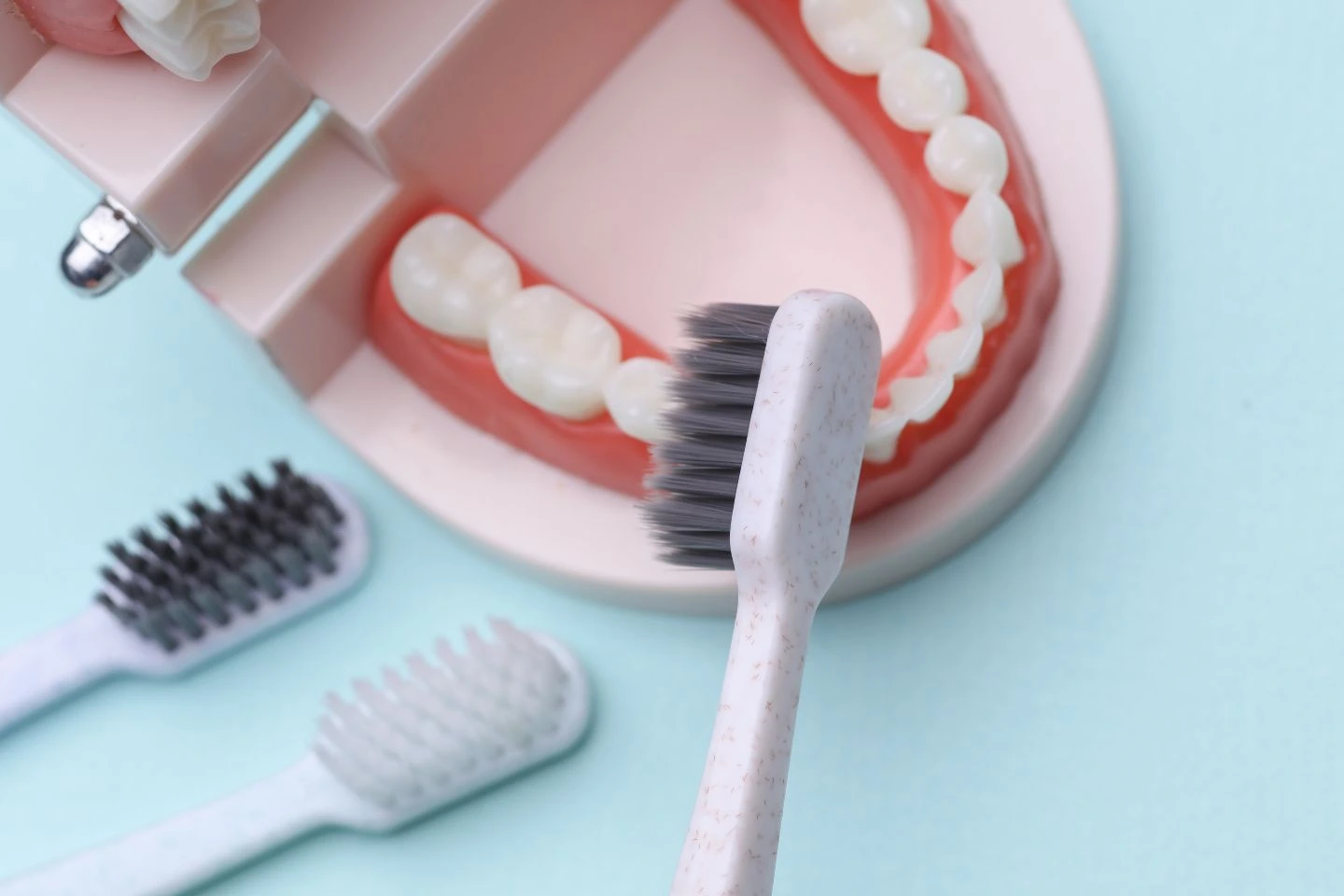
When you sit in the dental chair for a routine checkup, you know the drill: a little scraping, a quick polish, and a reminder to floss more often. But every now and then, after measuring your gums, your hygienist might stop and tell you that a standard cleaning won't cut it this time. Instead, they recommend a deep dental cleaning.
If you’ve never had one, this can feel a bit unexpected. What exactly makes a deep cleaning different from a regular six-month checkup? Is it actually necessary, or is it just an optional upgrade?
Understanding what goes on beneath the surface can help you make the right choice for your mouth. At Palmer Dentistry & Implants, we believe in keeping our patients in Palmer, MA, informed so they can take control of their oral health with confidence.
What Is a Regular Dental Cleaning?
A regular dental cleaning known in dental terms as a prophylaxis is a preventive treatment. It is meant for patients who generally have healthy gums or perhaps some mild, reversible swelling (gingivitis).
Think of a regular cleaning as essential maintenance. Even if you brush and floss like a pro at home, a sticky film of bacteria called plaque is constantly building up on your teeth. If it sits there long enough, it mixes with the minerals in your saliva and hardens into tartar. Once tartar takes hold, you can't brush it away at home. Only a professional with the right tools can chip it off.
During a normal visit, the hygienist focuses entirely on the parts of your teeth above the gumline. They clean away the visible tartar, clear out the spaces between your teeth, and finish with a polish to buff away surface stains. Because everything happens on the visible surfaces of your teeth, it's quick, rarely requires any numbing, and wraps up in a single visit.
What Is a Deep Dental Cleaning?
A deep dental cleaning is altogether different. Clinically called scaling and root planing (SRP), this isn't just a longer or more thorough version of a regular cleaning. It is a targeted treatment meant to stop an active infection beneath your gums.
When plaque and tartar are left to sit at or below the gumline, the bacteria irritate your gum tissue. To protect itself, your body triggers an inflammatory response, which causes your gums to swell and pull away from your teeth. This leaves small gaps called periodontal pockets.
Once these pockets open up, your toothbrush and floss can no longer reach the bottom. Bacteria move right into these dark spaces, multiplying and forming hard tartar deposits directly on the roots of your teeth. If you leave this subgingival tartar alone, it can slowly eat away at the bone that holds your teeth in place.
A deep dental cleaning in Palmer, MA, gets into these hidden spaces using a two-step approach:
- Scaling: Your provider uses specialized instruments and ultrasonic scalers to break up and wash away the tartar hidden deep inside the gum pockets.
- Root Planing: The provider smooths out the rough spots on the roots of your teeth. Bacteria love rough surfaces because they are easy to cling to. By smoothing out the root, it's harder for plaque to build up again, and it gives your gums a clean surface to heal and tighten back around the tooth.
Key Differences Breakdown
Since these treatments handle completely different issues, it helps to see how they contrast in daily practice:
- The Main Goal: Regular cleanings are all about prevention and keeping healthy mouths on track. Deep cleanings are a therapeutic treatment meant to stop an active infection from causing permanent bone loss.
- Where They Clean: Standard cleanings stay above the gumline. Deep cleanings go way beneath the gums to clear out the pockets and root surfaces.
- Comfort and Numbing: You won't need numbing for a regular cleaning. But because deep cleanings work in highly sensitive areas under the gums, we usually use a local anesthetic so you don't feel a thing.
- Time Commitment: A regular cleaning takes about 45 to 60 minutes and is done in one shot. A deep cleaning is detailed work, so we often split it into two separate visits, treating one side of your mouth at a time.
- What Happens Next: After a regular cleaning, you see us again in six months. After a deep cleaning, you move to a schedule called periodontal maintenance, which means coming in every three to four months to keep the bacteria from taking over again while your gums heal.
Do You Really Need a Deep Dental Cleaning?
Dental teams don't just guess when you need a deep cleaning. The decision comes down to clear measurements taken during your exam. Your provider uses a tiny, ruler-like tool called a periodontal probe to measure the depth of the spaces between your teeth and gums.
- 1 to 3 mm: This is a healthy, normal pocket. The tissue is tight, easy to clean at home, and only needs a regular cleaning.
- 4 mm: This is a warning sign. It means early inflammation or the start of a pocket. Depending on whether your gums bleed or have tartar below the surface, a deep cleaning might be discussed.
- 5 mm and up: This means active gum disease (periodontitis). At this depth, a regular cleaning tool cannot physically reach the bottom of the pocket. A deep cleaning is necessary to stop the infection from getting worse.
Along with these measurements, your team will look at your X-rays to see if the bone around your roots is thinning. If you notice signs at home—like gums that bleed when you brush, constant bad breath, or teeth that feel slightly loose—it’s a strong sign that bacteria have settled in under the gumline.
What to Expect During and After
If you need scaling and root planing, there's no reason to worry. Patient comfort is always the priority.
Before the cleaning starts, your provider will apply a numbing gel followed by a local anesthetic. This completely numbs the area. You might feel some slight pressure or vibrations from the tools, but you shouldn't feel any pain. Splitting the treatment into two visits also means you’ll always have one comfortable side of your mouth to chew on while the other heals.
What Recovery Looks Like
Once the numbing wears off, you might notice a few temporary side effects for a couple of days:
- Tender Gums: Your gums might look a bit pink or feel tender as they start to respond to the clean environment.
- Temperature Sensitivity: Removing a heavy wall of tartar can suddenly expose parts of the tooth root to cold air and drinks. This sensitivity usually fades over a few weeks.
- Slight Bleeding: A tiny bit of bleeding when you brush the next day is completely normal as the swollen tissues begin to shrink and heal.
To keep things comfortable, stick to soft, simple foods like eggs, pasta, or smoothies for the first day or two. Avoid sharp, crunchy, or heavily spiced foods, and rinse gently with warm salt water to soothe the tissues.
Protecting Your Smile Long-Term
Ignoring deep tartar buildup comes with real consequences. Over time, advanced gum disease can cause permanent damage to the bone holding your teeth, which can lead to receding gums or even loose teeth. Beyond that, research shows that chronic mouth infections can affect your overall health, making things like blood sugar harder to control for diabetics.
A deep dental cleaning acts like a reset button for your mouth. Once the hidden bacteria are gone, keeping your smile healthy comes down to daily brushing, flossing, and staying on top of your recommended checkups. If you think you might need a deep dental cleaning in Palmer, MA, or if it’s simply time to get your oral health back on track, contact the team at Palmer Dentistry & Implants today to schedule your consultation.
Frequently Asked Questions
Q: Can I just get a regular cleaning instead?
A: No. If you have deep pockets and tartar below the gumline, a regular cleaning won't help. It only cleans above the gums, leaving the active infection at the root untouched to keep destroying your bone.
Q: Does a deep cleaning hurt?
A: It shouldn't. Because we use local numbing before we begin, the procedure itself is very manageable. You might have some mild soreness or sensitivity for a few days after, but it passes quickly.
Q: How long does it take for gums to heal?
A: Most of the initial tenderness and swelling goes away within three to seven days. Your gums will continue to tighten up and get healthier over the next few weeks as long as you keep up with brushing and flossing.
Q: Why does it take more than one visit?
A: Cleaning the root surfaces beneath the gums takes time and extreme precision. Breaking the treatment into two visits makes the appointments shorter, easier to sit through, and ensures we don't have to numb your entire mouth all at once.


Hours
Monday to Friday: 10 a.m.–7 p.m.
Saturday: 9 a.m.–3 p.m.
Sunday: Closed
Disclaimer: We’re open until 7 p.m. on Mondays and Wednesdays – with flexible scheduling to fit your needs.




© 2026 Unident Dental Group | All Rights Reserved | Privacy Policy | HIPAA Policy | Digital Marketing By Remedo