
Braces vs Clear Aligners for Teens
Watching your teenager grow up brings plenty of exciting changes, but navigating the orthodontic phase is often a major milestone for the whole family. If your teen needs their bite corrected or teeth straightened, you instantly face a classic dilemma. Do you stick with traditional metal braces that have been trusted for decades, or do you opt for modern clear aligners like Invisalign that seem to be everywhere today?
Every teenager has a completely different personality, daily routine, and orthodontic need. What works wonders for a high school athlete might not fit the habits of a busy student who tends to misplace things easily. Breaking down how both options actually function in everyday teenage life can help you feel much more prepared when sitting down with your orthodontist to map out a plan.
Traditional Braces: The Tried and True Standard
Traditional metal braces remain a fixture in teenage dentistry for very solid reasons. They consist of small stainless steel brackets bonded securely to the front of each tooth, connected by a thin archwire and held in place with tiny elastic ties.
The biggest advantage of traditional braces is that they work around the clock without relying on your teen's daily discipline. Because the brackets and wires are cemented directly onto the teeth, they cannot be taken out, lost at the lunch table, or forgotten in a backpack. Modern braces have also become much smaller, sleeker, and more comfortable than the bulky versions of the past, and teens often enjoy customizing their look by picking out fun colored bands at each adjustment visit.
On the flip side, braces require some serious dietary adjustments. Sticky candies, crunchy popcorn, and hard snacks like apples or nuts are off-limits because they can pop a bracket loose or bend a wire. Brushing and flossing also demand extra patience and special tools like floss threaders to navigate around the hardware properly.
Clear Aligners: Discreet Flexibility for Busy Teens
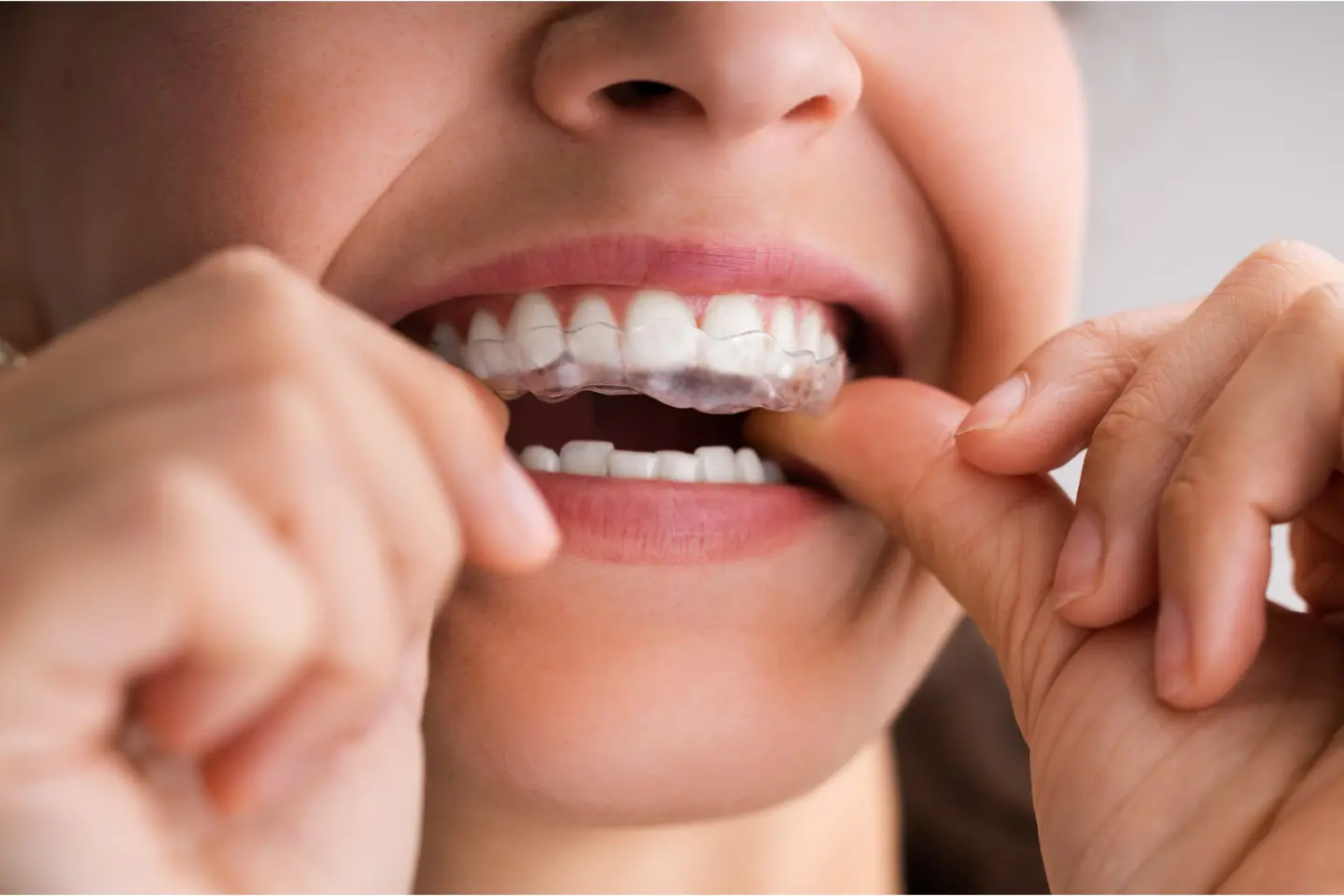
Clear aligners offer a completely different orthodontic experience. Instead of fixed wires and brackets, treatment involves a series of custom-made, transparent plastic trays that fit snugly over the teeth. Every couple of weeks, your teen graduates to a brand-new set of aligners that gently guides their teeth into better alignment step by step.
The primary appeal for most teenagers is subtlety. The smooth plastic trays are practically invisible when worn, allowing your teen to smile, speak, and pose for school photos without a mouth full of metal. Furthermore, aligners are fully removable. Your teen simply pops them out before meals, meaning zero food restrictions. They can eat whatever they want, and maintaining normal daily brushing and flossing routines is remarkably easy because there are no wires in the way.
However, clear aligners come with their own set of responsibilities. Success depends almost entirely on compliance. Aligners must be worn for twenty to twenty-two hours every day to keep treatment on schedule. If a teen takes them out for sports, band practice, or lunch and forgets to put them back in for hours, the teeth will not shift as planned. There is also a real risk of trays getting accidentally wrapped in a napkin at the school cafeteria and thrown away.
Comparing Key Factors for Your Teen
When you sit down to weigh braces against aligners, a few practical considerations usually guide the final decision:
- Complexity of the Case: While modern clear aligners can handle a wide variety of crowding, spacing, and bite issues, traditional braces are still often recommended for severe alignment challenges, rotated teeth, or complex bite corrections.
- Responsibility and Habits: Think honestly about your teenager's daily routine. If they tend to lose things easily or struggle with consistent habits, the fixed nature of traditional braces might save you from extra replacement costs and delays.
- Sports and Activities: Teens involved in contact sports or playing wind instruments often find clear aligners much more comfortable, though a protective mouthguard is still necessary for either option during high-impact games.
Teen Orthodontic Treatment in Palmer, MA: Choosing the Right Path for Your Smile
Making the right choice for your teenager is a collaborative process. When you are looking for a trusted dental team in Palmer, MA, you deserve an experienced practice that takes the time to evaluate your teen's unique alignment, talk through their daily habits, and recommend the most practical treatment path. At Palmer Dentistry & Implants, our dedicated team is always here to help your family navigate these choices and build a healthy, confident smile. Contact Palmer Dentistry & Implants today to schedule your consultation and explore your orthodontic options.
Frequently Asked Questions
Q: Are clear aligners just as effective as traditional braces for teens?
A: For many mild to moderate alignment cases, clear aligners work just as effectively as braces. However, treatment success with aligners depends heavily on wearing them consistently for the recommended hours every single day.
Q: What happens if my teen loses a clear aligner tray?
A: Losing an aligner happens occasionally. Most treatment plans factor in a backup set or allow your orthodontist to quickly order a replacement tray, though wearing the previous set temporarily helps keep teeth from shifting in the meantime.
Q: Do braces hurt more than clear aligners?
A: Both options cause some temporary soreness and pressure for a few days after initial placement or following routine tightening and tray changes. This mild discomfort is a normal sign that the teeth are actively moving, and it usually fades quickly.
Q: Can teens play sports or musical instruments while wearing braces?
A: Yes, teens can participate in all normal activities. Special orthodontic mouthguards are available to protect the lips and cheeks from brackets during contact sports, and musicians playing wind instruments may just need a brief adjustment period.
Q: How long does teenage orthodontic treatment typically last?
A: Total treatment time varies based on individual needs, but most teens wear braces or clear aligners for anywhere from twelve to twenty-four months. Consistent wear and keeping scheduled adjustment appointments help keep the timeline on track.


Hours
Monday to Friday: 10 a.m.–7 p.m.
Saturday: 9 a.m.–3 p.m.
Sunday: Closed
Disclaimer: We’re open until 7 p.m. on Mondays and Wednesdays – with flexible scheduling to fit your needs.


© 2026 Unident Dental Group | All Rights Reserved | Privacy Policy | HIPAA Policy | Digital Marketing By Remedo