The Link Between Tobacco, Alcohol, HPV, and Oral Cancer Risk
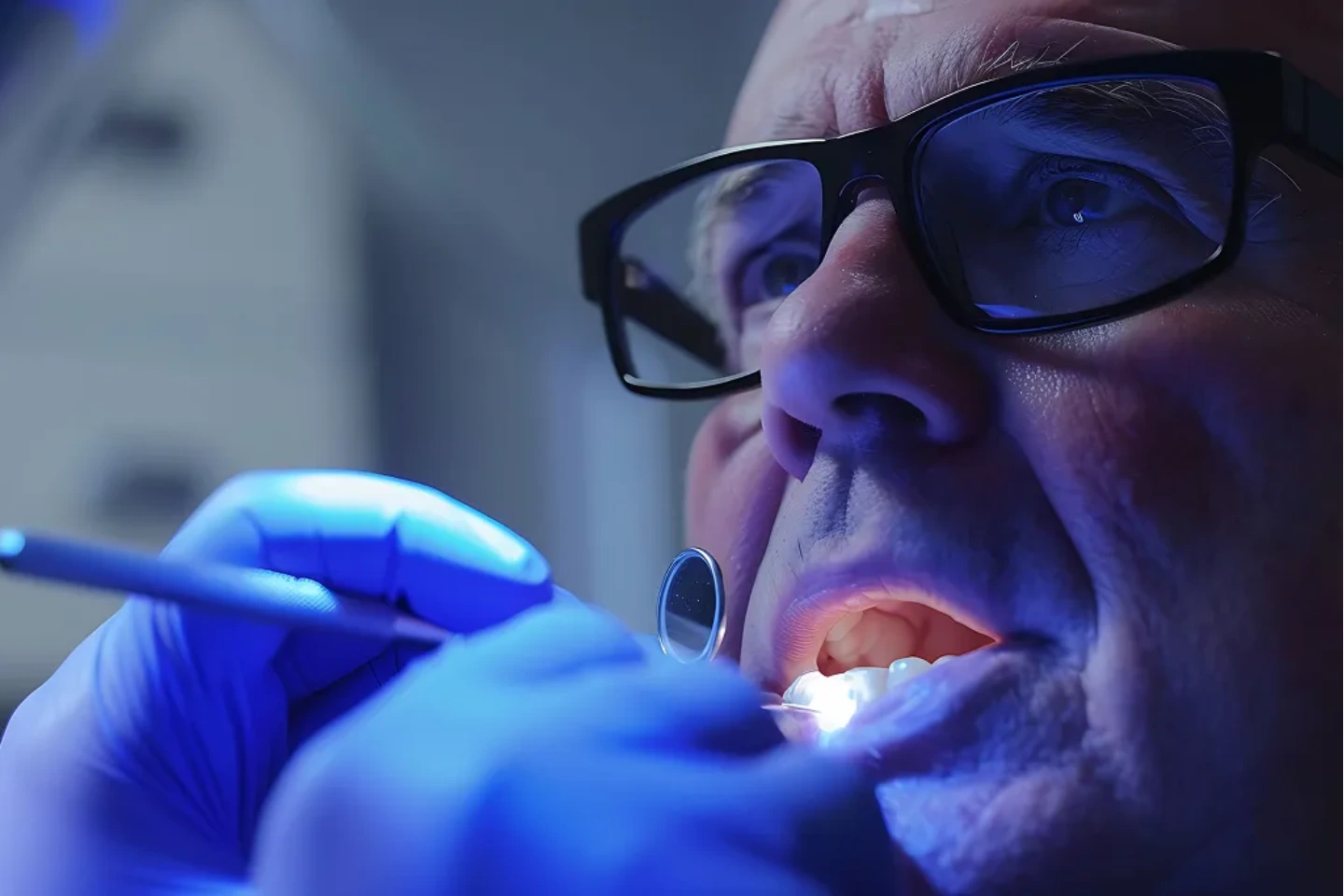
Oral cancer is a serious, growing health risk that often gets overlooked compared to diseases like heart or lung cancer. Tobacco, alcohol, and HPV are major drivers. Recognizing their collective impact is vital to safeguarding your long-term wellness.
Oral cancer is seldom isolated. It results from cumulative cell damage in your mouth and throat. Identify drivers behind these changes to make better choices for your habits and dental care routine.
The Role of Tobacco: The Most Common Culprit
Tobacco harms your health, but its effects on the mouth are especially severe. Whether smoking or using smokeless products, you introduce carcinogens directly to oral tissues.
How Smoking Damages Your Mouth
Each time you inhale tobacco smoke, you expose your lips, tongue, and throat to toxic chemicals and heat. These irritate your mouth’s lining, inflaming and damaging cell DNA. Damaged cells may grow uncontrollably and form tumors.
Smokeless Tobacco is Not a Safe Alternative
Many people mistakenly believe that "dipping" or chewing tobacco is safer than smoking because it does not involve the lungs. In reality, smokeless tobacco is even more directly linked to cancers of the cheek, gums, and inner surface of the lips. Because the product sits against the tissue for extended periods, toxin absorption is continuous and concentrated.
Alcohol Consumption and the Multiplier Effect
Alcohol is another lifestyle factor tied to oral cancer. Occasional drinking may seem harmless, but heavy or frequent use damages your oral cavity. Alcohol acts as a solvent, making your mouth’s skin more permeable and vulnerable to harm.
The Synergy of Smoking and Drinking
The most dangerous combination is using tobacco and alcohol together. Alcohol dries out your mouth’s lining, letting tobacco carcinogens seep deeper. People who smoke and drink heavily are at much higher oral cancer risk than single users.
The Rising Threat: HPV and Oral Cancer
In recent years, a new factor has emerged as a major focus of oral cancer research: the human papillomavirus (HPV). While many people associate HPV with other types of cancer, specific strains, particularly HPV 16, are now strongly linked to oropharyngeal cancers. These are cancers that occur in the back of the throat, the base of the tongue, and the tonsils.
A Different Kind of Patient
Unlike tobacco-related oral cancers, which typically affect older adults with a long history of smoking, HPV-linked oral cancer is often found in younger, nonsmoking-populations. This shift has changed how dental professionals approach screenings. It is no longer enough to only watch "at-risk" groups; everyone needs to be monitored.
How HPV Affects the Throat
The virus enters the body and can lie dormant for years. In some cases, it triggers changes in the throat cells that eventually lead to malignancy. Because these areas are deep in the mouth, they are harder to see during routine self-examination, making professional dental exams more important than ever.
Identifying the Signs and Symptoms
Early detection is critical. Learn what’s normal for your mouth and what isn’t. Oral cancer often starts with subtle changes that are easily confused with minor injuries or colds.
- Persistent Sores: Any sore or ulcer in the mouth that does not heal within two weeks should be checked by a professional.
- Color Changes: Look for red or white patches on the gums, tongue, or the lining of the cheeks. These are often painless but can be a sign of precancerous changes.
- Lumps or Thickening: Feeling a thick spot or a hard lump in your neck or the floor of your mouth is a reason to visit the dentist.
- Difficulty Swallowing: If you feel something is "stuck" in your throat or if swallowing becomes painful, this warrants investigation.
- Voice Changes: Persistent hoarseness or a change in your speaking voice that lasts for weeks is a common symptom of throat-related issues.
The Importance of Professional Screenings
Since many of these symptoms are painless in the early stages, they are very easy to ignore. This is why regular dental checkups are about so much more than just cleaning your teeth. Your dentist is trained to perform a thorough oral cancer screening, checking areas of your mouth that you cannot easily see or feel yourself.
During screening, your dentist checks for asymmetries, unusual textures, or color changes. They also feel your neck and jawline for enlarged lymph nodes. This process is quick, painless, and can catch oral cancer early.
Reducing Your Risk
The good news is that many of the risk factors for oral cancer are within your control. Making small changes today can significantly reduce your risk of a difficult diagnosis in the future.
- Quitting tobacco is one of the most important steps for your oral and overall health.
- Limit alcohol intake.
- The HPV vaccine prevents infections that can lead to oropharyngeal cancer.
- Maintain a diet rich in fruits and vegetables offers antioxidants that repair damaged cells.
- Use lip balm with SPF to protect your lips from the sun.
Frequently Asked Questions
Q: Can I get oral cancer even if I have never smoked?
A: Yes. Tobacco is a major risk, but oral cancer can result from HPV, sun exposure, or genetics. Screenings are vital for everyone.
Q: How long does an oral cancer screening take?
A: A professional screening usually takes less than five minutes. It is a non-invasive part of your regular dental exam that includes a visual and physical examination of your oral tissues and neck.
Q: Is HPV related oral cancer curable?
A: When caught early, HPV-related oral cancers have better treatment outcomes. They often respond better than tobacco-related cancers.
Q: Does chewing tobacco cause cancer faster than smoking?
A: Both are dangerous. Smokeless tobacco lets carcinogens contact gums and cheeks directly, causing cancers where held.
Q: Should I be worried about a white patch on my tongue?
A: Not all white patches are cancerous. They can be caused by irritation or minor infections. However, if a patch remains for more than 2 weeks, you should have your dentist examine it to rule out any serious issues.
Q: Does alcohol itself cause cancer, or is it just mixers?
A: Alcohol is the problem. It breaks down into acetaldehyde, which damages DNA. It also dries your mouth, letting toxins enter cells.
Q: At what age should I start getting screened for oral cancer?
A: Most dentists begin performing screenings as soon as a patient reaches adulthood. If you have high-risk factors like tobacco use or a history of HPV, you should ensure your dentist is checking at every six-month visit.
Final Thoughts on Your Health
Your health is a journey. Staying informed is your best defense. Understand how tobacco, alcohol, and HPV interact with your body. Take steps to protect your smile and life. Your dentist is your best partner. Never skip regular checkups. Bring up any concerns if you notice something unusual. Early action is key to a healthy future.


Hours
Monday to Friday: 10 a.m.–7 p.m.
Saturday: 9 a.m.–3 p.m.
Sunday: Closed
Disclaimer: We’re open until 7 p.m. on Mondays and Wednesdays – with flexible scheduling to fit your needs.




© 2026 Unident Dental Group | All Rights Reserved | Privacy Policy | HIPAA Policy | Digital Marketing By Remedo