Top Signs Your Dental Crown Needs Replacement
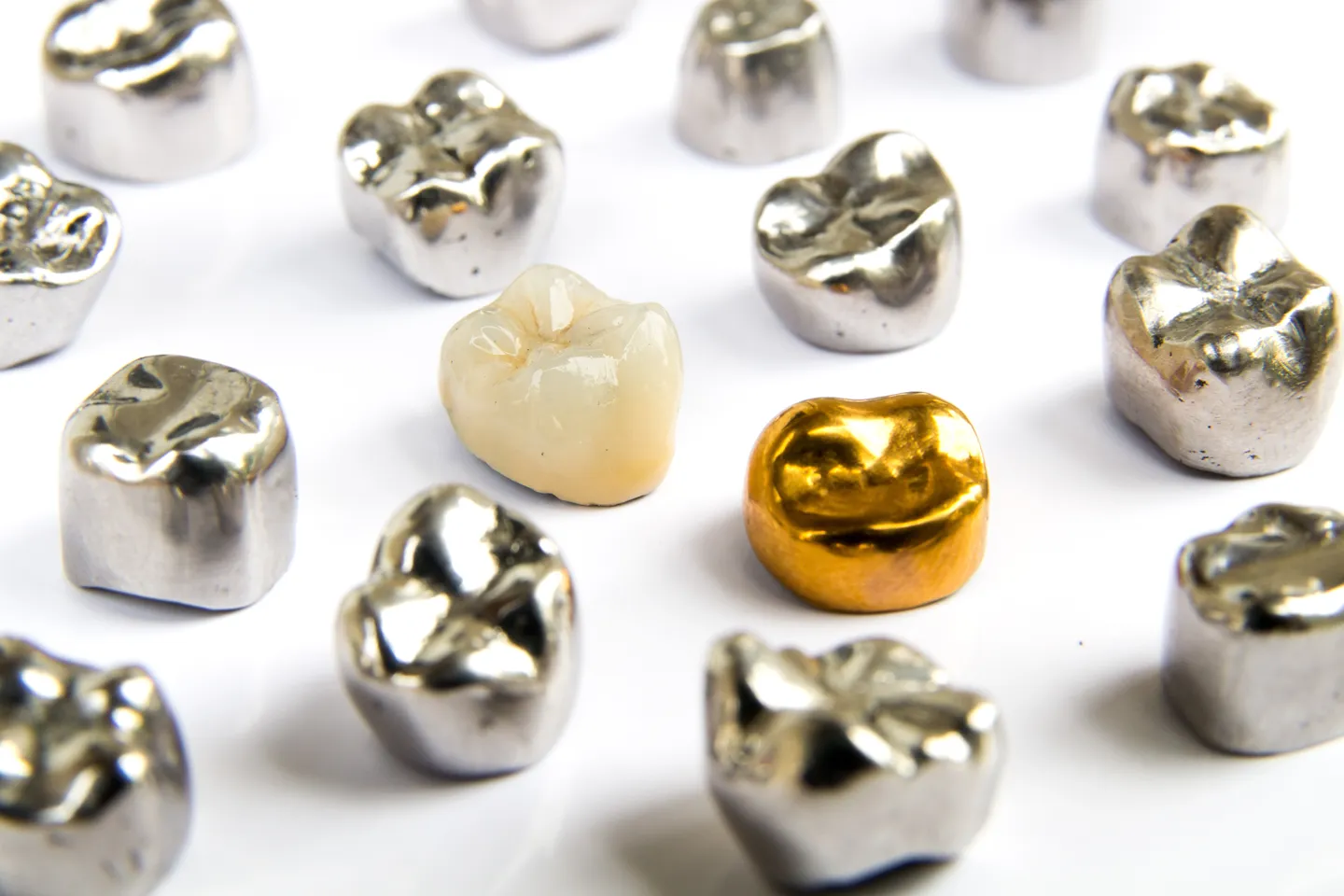
While dental crowns are designed to be durable and long-lasting, they are not immortal. Most high-quality restorations last between ten and fifteen years, but various factors can cause them to fail prematurely. At Palmer Dentistry & Implants, we believe that education is the first step toward maintaining a healthy smile. If you are currently living with older dental work, it is essential to know when that protective cap is no longer doing its job.
Replacing dental crowns in Palmer, MA, is a common procedure that can prevent more significant issues like infections, fractures, or tooth loss. In this guide, we will explore the red flags that indicate your crown has reached the end of its lifespan and why timely intervention is the best way to protect your oral health.
Persistent Pain or Sensitivity
One of the most obvious signs that something is wrong is physical discomfort. A crown is supposed to protect a vulnerable tooth, so if you start feeling a sharp pain when you bite down or a lingering ache after consuming cold drinks, the crown may be compromised.
Possible Nerve Issues
Underneath every crown is a natural tooth. Over time, the seal of the crown can weaken, allowing bacteria to seep underneath. This can lead to new decay or inflammation of the dental pulp. If the nerve becomes irritated, you will feel it.
Receding Gums
If your gums are pulling away from the base of the crown, it can expose the sensitive root surface. This often leads to temperature sensitivity. When you visit Palmer Dentistry & Implants, we can evaluate whether the pain is coming from the crown itself or the tooth structure beneath it.
Visible Wear and Tear
If you have had your restoration for over a decade, take a close look at it in the mirror. Porcelain and ceramic materials are tough, but they are subject to the same biting forces as your natural teeth.
Chips and Cracks
Minor crazing or tiny surface cracks might not seem like a big deal, but they can harbor bacteria. Larger chips can create sharp edges that irritate your tongue and cheeks. Furthermore, a crack compromises the structural integrity of the crown, making it more likely to break entirely while you are eating.
Flattened Surfaces
Patients who struggle with bruxism (teeth grinding) often wear down their crowns much faster. If the top of your crown looks flat or shiny compared to your other teeth, it is likely losing its functional shape. For those needing dental crowns in Palmer, MA, our team often recommends a nightguard to protect your new investment from this type of mechanical wear.
The Dreaded Dark Line at the Gumline
Have you noticed a dark, grayish line appearing where your tooth meets your gum? This is a very common issue with older porcelain-fused-to-metal (PFM) crowns.
Aesthetic Concerns
While the dark line itself is often just the metal substructure showing through as your gums naturally recede with age, it can make your smile look aged or unhealthy. Modern dentistry has moved toward all-porcelain and zirconia options that eliminate this problem entirely.
Signs of Decay
Sometimes that dark line isn't just metal; it can be a sign of marginal leakage where the cement has washed away, allowing stains and bacteria to accumulate. If you want a more natural look, replacing these older models at Palmer Dentistry & Implants can drastically improve your confidence.
Stability Issues and Looseness
A crown should feel like a natural part of your mouth. If you feel the crown shift when you chew or if you can wiggle it slightly with your tongue, you have an urgent problem.
Failing Dental Cement
The medical-grade glue that holds your crown in place can degrade over time due to acidic foods, saliva, or simple age. When the seal breaks, the crown becomes a loose cap. This is dangerous because food particles can get trapped underneath, creating a perfect breeding ground for a massive cavity that you cannot see or clean.
Structural Failure
In some cases, the tooth underneath may have fractured. If the foundation is unstable, the crown will feel loose. Seeking care for dental crowns in Palmer, MA, as soon as you notice mobility is the only way to potentially save the underlying tooth.
Changes in Your Bite or Food Traps
Your teeth work together like gears in a machine. If one gear is out of alignment, the whole system suffers.
Impact on the Jaw
If a crown has shifted or worn down, it may change how your upper and lower teeth meet. This can lead to jaw pain, headaches, or TMJ issues. You might find yourself chewing more on one side of your mouth to avoid the awkward fit.
The Food Trap
If you suddenly find that you are getting meat or fibrous vegetables stuck between your crown and the neighboring tooth every single time you eat, the contact point has likely failed. Constant food impaction causes gum inflammation and localized bone loss. Replacing the crown allows us to restore that tight contact and keep your gums healthy.
Why Choose Palmer Dentistry & Implants?
At Palmer Dentistry & Implants, we prioritize patient comfort and long-lasting results. We understand that the thought of replacing dental work can be stressful, but our team uses the latest technology to make the process seamless. Whether you need a single replacement or a full-mouth restoration, we are here to help.
We use high-quality materials like zirconia and e.max to ensure your new dental crowns in Palmer, MA, look indistinguishable from your natural teeth. Our goal is to provide a restoration that is not only beautiful but also functionally superior.
Frequently Asked Questions
Q: How long do dental crowns usually last?
A: Generally, you can expect a crown to last between 10 and 15 years. However, with excellent oral hygiene and regular visits to Palmer Dentistry & Implants, some can last much longer. Factors like teeth grinding or poor hygiene can shorten this lifespan.
Q: Can a crown be repaired, or does it always need replacement?
A: If a porcelain crown has a very minor chip, it might be smoothed down. However, if the seal is broken or there is decay underneath, a full replacement is the only way to ensure the tooth is protected.
Q: Is the replacement process for dental crowns in Palmer, MA, painful?
A: Not at all. The process is very similar to getting your original crown. We use local anesthesia to numb the area, ensuring you are comfortable while we remove the old restoration and prepare the tooth for a fresh, new cap.
Q: What happens if I ignore a loose crown?
A: Ignoring a loose crown is risky. It allows bacteria to reach the vulnerable natural tooth, often leading to deep decay or a painful abscess. Eventually, the tooth may become unsalvageable, requiring an extraction and a more expensive dental implant.
Q: Will my insurance cover the cost of a replacement?
A: Many insurance plans cover the replacement of a crown if the existing one is over five to seven years old and is clinically failing. Our team at Palmer Dentistry & Implants can help you check your specific benefits before we begin.
Contact Palmer Dentistry & Implants Today
If you are experiencing any of these symptoms, do not wait for the crown to fall out or the tooth to break. Proactive care is always more affordable and less invasive than emergency surgery.
Contact Palmer Dentistry & Implants at our office to schedule an exam. Let us help you maintain a healthy, functional, and radiant smile for years to come!


Hours
Monday to Friday: 10 a.m.–7 p.m.
Saturday: 9 a.m.–3 p.m.
Sunday: Closed
Disclaimer: We’re open until 7 p.m. on Mondays and Wednesdays – with flexible scheduling to fit your needs.




© 2026 Unident Dental Group | All Rights Reserved | Privacy Policy | HIPAA Policy | Digital Marketing By Remedo