How Dental Crowns Improve Function and Confidence
When people think about getting a dental crown, they often see it as a last resort for a tooth that is in bad shape. But there is a much more interesting way to look at dental crowns in Palmer, MA. Think of them as a way to save the natural setup of your mouth. Instead of just patching a hole, a crown acts like a support beam. It helps keep your bite steady and prevents your other teeth from taking on too much work.
The Real Job of a Dental Crown
A dental crown is basically a custom cap that fits right over the part of your tooth you can see. While a filling is great for fixing a small cavity, a crown is usually what a dentist suggests when a tooth just isn't strong enough on its own anymore. By wrapping around the whole tooth, the crown helps spread out the pressure when you chew. This is a big deal because it lowers the chance of the tooth cracking further or wearing down the teeth next to it.
Imagine a tooth that has a massive cavity, a deep crack, or has just had a root canal. At that point, the tooth might not be able to handle the daily grind of biting into food. A crown works like a protective helmet. It keeps what is left of your natural tooth safe and sound. This is the heart of restorative dentistry; we want to keep your natural teeth working for as long as we possibly can. If we don’t protect a weak tooth, it might break so badly that it has to be pulled, which leads to much bigger problems down the road.
Keeping Your Whole Mouth Healthy
Fixing just one tooth can actually make your entire mouth feel better. When a tooth is broken or worn out, you start to change how you chew without even realizing it. You might start leaning on one side more, which puts a lot of stress on those other teeth.
- Fixing Your Bite: A crown is shaped to match exactly how your tooth used to look. This helps make sure your top and bottom teeth hit each other the right way. If your bite is off, even by a little bit, it can lead to jaw pain or even headaches over time.
- Stopping Teeth from Moving: Teeth actually lean on each other to stay straight. If one tooth is badly damaged or changes shape, the teeth next to it might start to tilt or slide into that extra space. A crown keeps everything in its proper place so your smile stays aligned.
- Materials That Last: These days, crowns are made from things like porcelain, ceramic, or zirconia. These aren't just for looks. They are picked because they can handle the moisture and the constant pressure of chewing while still looking like a real tooth.
What Actually Happens at the Dentist?
Getting a crown is a standard procedure that usually takes two visits. We focus on making sure you are comfortable and that the fit is exactly right.
The First Visit: Prep Work
During the first appointment, the dentist gets the tooth ready. This means clearing out any decay and shaping the tooth so the crown can slide right over it. Then, they take a mold or a digital scan. This is the map the lab uses to build your crown so it fits your mouth perfectly. You’ll usually walk out with a temporary crown. It’s not the final version, but it protects your tooth and lets you eat and talk normally while the lab finishes the real thing.
The Second Visit: The Final Fit
Once your custom crown is ready, you come back in. The dentist will check the fit, make sure it isn't hitting your other teeth the wrong way, and check the color against your natural teeth. If everything looks and feels good, they bond it to your tooth with dental cement. Once that cement sets, the crown is a permanent part of your smile.
Why Choose a Crown Over a Filling?
People often ask why they can't just get another filling. It really comes down to how much of the original tooth is left. Fillings are perfect for small holes where there is still plenty of strong enamel to hold the filling in place. But if a filling would take up more than half the width of the tooth, the remaining walls of the tooth get very thin and brittle.
In those cases, a crown is the better clinical choice because it holds the tooth together from the outside. A filling sits inside the tooth, but a crown wraps around it. This provides a different kind of support that is much better for back teeth, like molars, that do all the heavy lifting when you eat. Think of a filling like a patch on a tire, while a crown is more like getting a brand new, reinforced tire.
Looking After Your New Crown
Even though a crown is made of tough material that won't get a cavity, the tooth underneath it still needs to stay healthy. The spot where the crown meets your gum is the most important area to keep clean.
- Keep Brushing: You should brush and floss around the crown just like a normal tooth. This stops plaque from building up at the gum line.
- Regular Checkups: When you go in for a cleaning, the dentist will check the crown to make sure the seal is still tight. They want to catch any small issues before they turn into big ones.
- Watch Out for Hard Foods: Even though crowns are strong, they can still chip if you bite down on something really hard, like ice or hard candy. If you grind your teeth at night, a mouthguard is a great way to protect your dental work.
Common Questions People Ask
Q: How do I know if I need a crown?
A: You really need an exam and an X-ray to know for sure. Usually, if a tooth is cracked or has a huge filling that is starting to break, a crown is the best way to save it. We always try to do the simplest fix first, but sometimes a crown is what is needed for a long-term solution.
Q: Is it going to hurt?
A: The dentist will numb the area with local anesthesia before they start, so you shouldn't feel pain during the procedure. It feels a lot like getting a regular filling. You might have a little sensitivity for a day or two after, but that usually goes away on its own.
Q: How long will it last?
A: A crown can stay in place for a long time. Most last ten years or more, but it depends on how well you take care of it. If you brush and floss and don't skip your dental cleanings, your crown can last a very long time.
Q: Will people be able to tell?
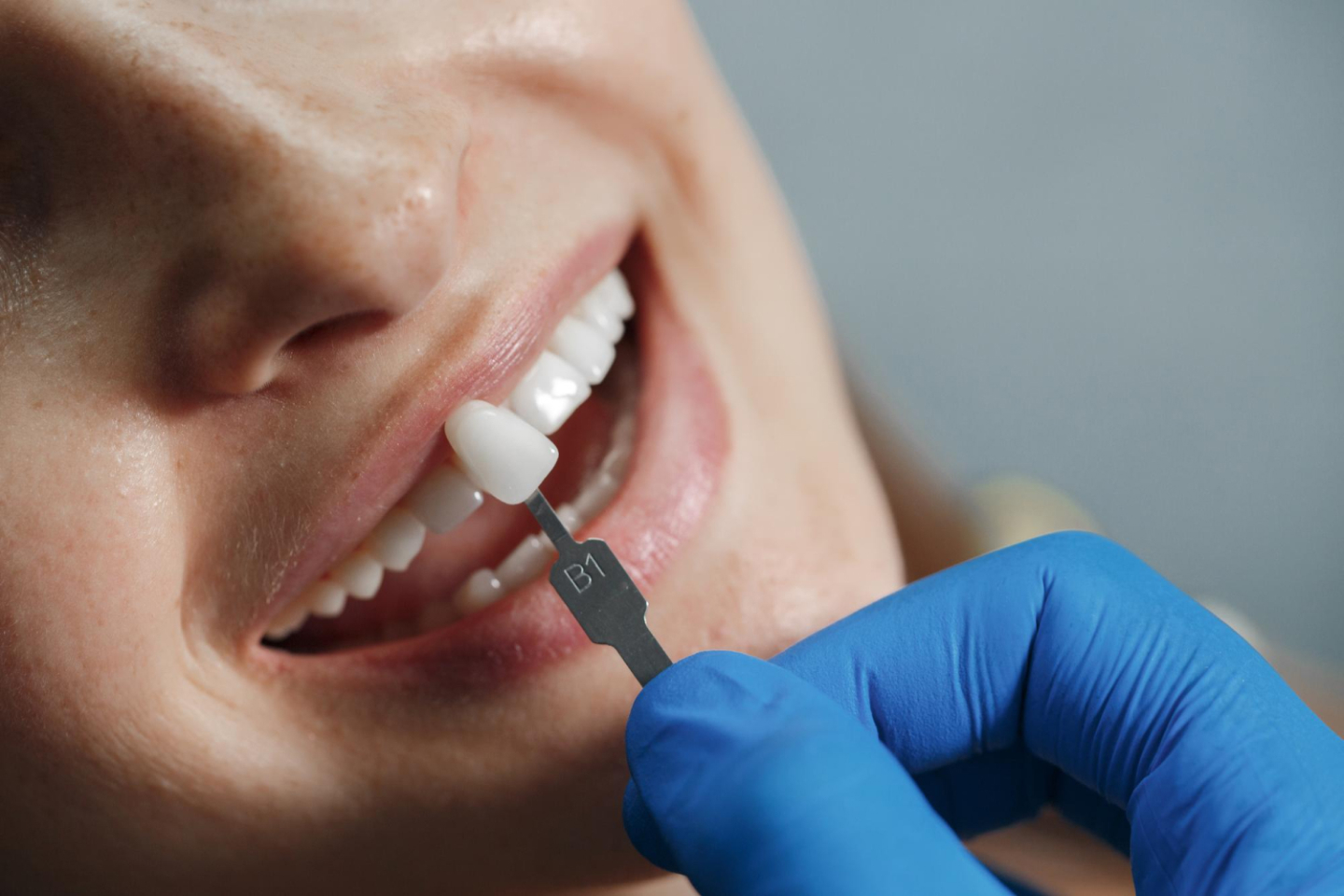
A: Probably not. We use a shade guide to match the porcelain to your other teeth. Modern materials reflect light just like real enamel, so it should blend right in.
Visit Palmer Dentistry & Implants
If you have a tooth that feels weak or is causing you trouble, come talk to us at Palmer Dentistry & Implants. We can take a look and see what is going on. We offer dental crowns in Palmer, MA, with a focus on making sure your mouth stays healthy and functional. Our goal is to give you a smile that feels as good as it looks. Give us a call today to set up a time to chat.


Hours
Monday to Friday: 10 a.m.–7 p.m.
Saturday: 9 a.m.–3 p.m.
Sunday: Closed
Disclaimer: We’re open until 7 p.m. on Mondays and Wednesdays – with flexible scheduling to fit your needs.




© 2026 Unident Dental Group | All Rights Reserved | Privacy Policy | HIPAA Policy | Digital Marketing By Remedo